When you think about the history of Southern Africa, few stories are as dramatic and complex as the journey of Mozambique. It is a nation forged through the fires of colonial resistance, scarred by a brutal civil war, and now emerging as a key player in the global energy market. At the heart of this transformation are the individuals who have held the highest office in the land.
This is not just a dry list of names and dates. It is a walk through the lives of the men who have shaped Mozambique since it shook off Portuguese rule in 1975. We are talking about a country that went from a Marxist-Leninist state to a potential liquefied natural gas giant. The leaders at the top steered that ship through every storm. Here is the complete guide to the presidents of Mozambique, from the iconic freedom fighter to the current commander-in-chief.
The Complete List of Mozambican Presidents
Before we dive into the stories, let us get the facts straight. For a country that has seen so much upheaval, the list of leaders is surprisingly short. Since independence, only four men have held the title of President of the Republic of Mozambique.
| No. | President | Term of Office | Political Party |
|---|---|---|---|
| 1 | Samora Machel (1933–1986) | 25 June 1975 – 19 October 1986 | FRELIMO |
| 2 | Joaquim Chissano (1939– ) | 6 November 1986 – 2 February 2005 | FRELIMO |
| 3 | Armando Guebuza (1943– ) | 2 February 2005 – 15 January 2015 | FRELIMO |
| 4 | Filipe Nyusi (1959– ) | 15 January 2015 – Present | FRELIMO |
You might notice something immediately: every single president has been from the same party, FRELIMO. That fact alone tells you a lot about the political landscape of this nation. It is a story of dominance, resilience, and sometimes, controversy.
How Many Presidents Has Mozambique Had?
The short answer is four. But that number feels almost too small for the amount of history packed into those decades. Mozambique gained independence on June 25, 1975. Since that day, the presidency has passed from Samora Machel to Joaquim Chissano, then to Armando Guebuza, and finally to the current officeholder, Filipe Nyusi.
Contrast that with a country like the United States, which has had over 40 presidents in a similar timeframe, or even Japan, which has seen a revolving door of leaders. The stability in Mozambique is rare. It shows a political system that, despite its flaws and the bloody civil war, has managed to maintain a single-party continuity at the executive level.
Samora Machel: The Founding Father and the Icon
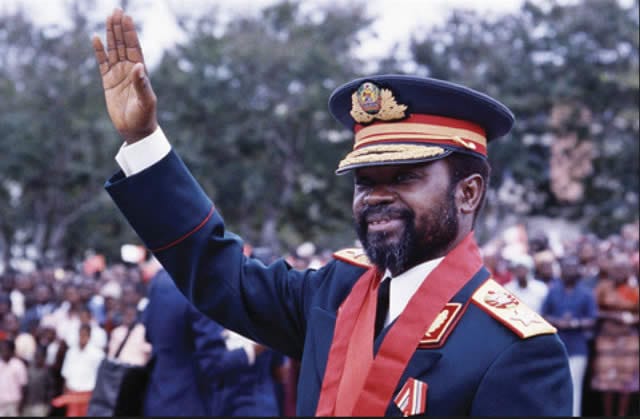
You cannot understand Mozambique without understanding Samora Moisés Machel. He was not just the first president; he was the embodiment of the liberation struggle. Born on September 29, 1933, in the village of Madragoa, Machel came from humble beginnings. He was a nurse by training, which is a profession that usually heals wounds, but he ended up leading a war.
Machel joined the Mozambique Liberation Front, better known as FRELIMO, in the early 1960s. This was a time when Africa was shedding its colonial skin, and Mozambique was ready to do the same. Machel rose quickly through the ranks due to his charisma and his sharp strategic mind. He received military training in Algeria, which shaped his approach to guerrilla warfare.
The Liberation Struggle
The war for independence was not a quick skirmish. It lasted over a decade. The Portuguese regime, under António de Oliveira Salazar, was stubbornly refusing to let go of its African colonies. Machel and his comrades fought in the dense forests and rugged terrain of the north. It was a grueling conflict, but in 1974, the Carnation Revolution in Portugal changed everything. The new government in Lisbon was willing to negotiate, and by June 1975, Mozambique was free.
Building a Socialist State
On the day of independence, Machel was sworn in as President. His vision was clear: he wanted a socialist state. This was not just a political ideology for him; it was a way to redistribute the wealth that the Portuguese had extracted for centuries.
He nationalized industries, collectivized agriculture, and took control of healthcare and education. He wanted to transform Mozambique from a labour-exporting colony into a self-sufficient nation. He was passionate about literacy, and his government made massive strides in building schools in rural areas. He also established a national health service that was the envy of many other African nations at the time. He wanted to lift people, specifically the Black majority, out of poverty and into modernity.
But here is the thing about rapid, forced change: it often comes with friction. Machel’s government was authoritarian. There was no room for political opposition. Dissent was crushed. People who criticized the regime were often sent to re-education camps. This was the dark side of his rule, and it created a deep resentment that would soon boil over.
The Civil War and the RENAMO Factor
From 1977 onwards, Mozambique was plunged into a devastating civil war. The opposition group, RENAMO (Mozambican National Resistance), was heavily backed by the white minority governments of Rhodesia (now Zimbabwe) and South Africa. These regimes were terrified that a successful socialist state in Mozambique would inspire similar uprisings within their own borders.
The war was brutal. Civilians were the primary targets. People were displaced, villages were burned, and famine became a weapon of choice. The conflict severely hampered Machel’s ability to build his socialist utopia. Instead of building schools, he was forced to buy arms.
A Tragic End
Samora Machel’s life was cut short on October 19, 1986. He was returning from a summit in Zambia when his presidential aircraft, a Soviet-made Tupolev Tu-134, crashed into the Lebombo Mountains near the South African border. The circumstances of the crash remain shrouded in mystery. Many Mozambicans believe that the South African apartheid government sabotaged the flight, a claim that was later supported by some investigations. Others point to navigational errors.
His death was a national tragedy. He left behind his wife, Graça Machel, who would later marry Nelson Mandela. As we look at the list of presidents of Mozambique, Machel stands out as the martyr, the man who gave everything for the cause.
Joaquim Chissano: The Pragmatist in the Shadows
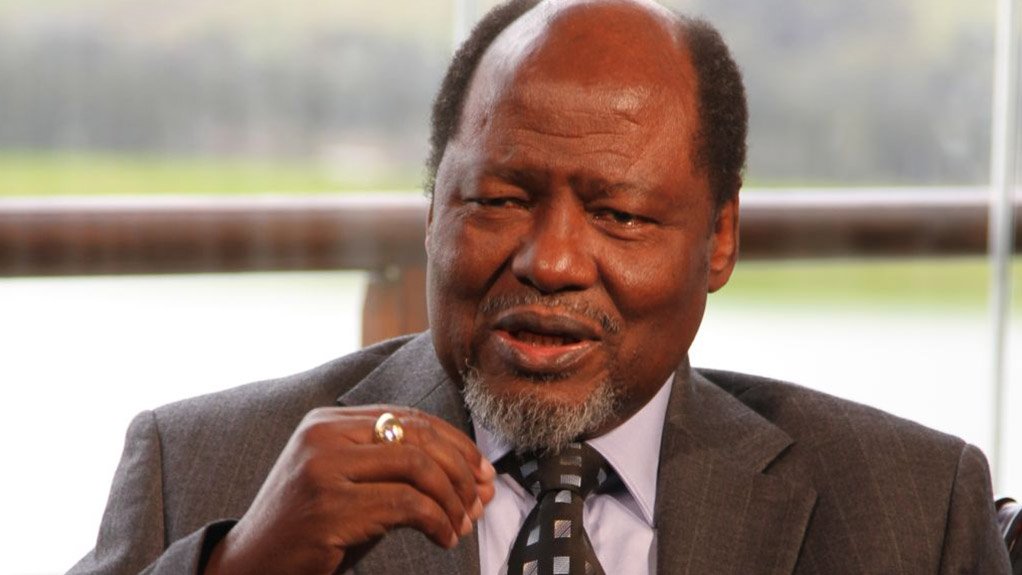
When Machel died, the baton was passed to Joaquim Chissano. Taking over after a national trauma is never easy. Chissano had been a senior figure in FRELIMO, serving as Minister of Foreign Affairs. He was not as fiery as Machel, but he was pragmatic. He had to be. He inherited a country that was bankrupt, at war, and starving.
Chissano’s first major task was to survive. The civil war was raging, and it seemed like FRELIMO might lose. But the late 1980s brought global changes that shifted the power balance. The Soviet Union was collapsing, which meant Mozambique could no longer rely on Eastern Bloc support. This forced Chissano to make a pivot that would define his tenure.
The Move to Peace and Democracy
Unlike his predecessor, Chissano was willing to talk. He realized that military victory against RENAMO was impossible. So, he started diplomatic overtures. This led to the historic Rome General Peace Accords in 1992. It was a monumental moment. The war was over.
Chissano then had to transition the country from a one-party socialist state to a multi-party democracy. This was a risky move. But he did it. In 1994, Mozambique held its first multi-party elections. Chissano won, and he won again in 1999. His willingness to embrace liberal reforms won him praise from the international community. He was not a perfect leader, but he managed to bring relative stability after years of chaos.
One of the less-celebrated aspects of Chissano’s time was his handling of the HIV/AIDS crisis. At one point, Mozambique was facing one of the highest infection rates in the world. He eventually treated it as a security threat, which helped to mobilize international funding. He served until 2005, stepping down voluntarily. That was a big deal in a continent where many leaders refuse to go.
Armando Guebuza: The Businessman and the Strongman
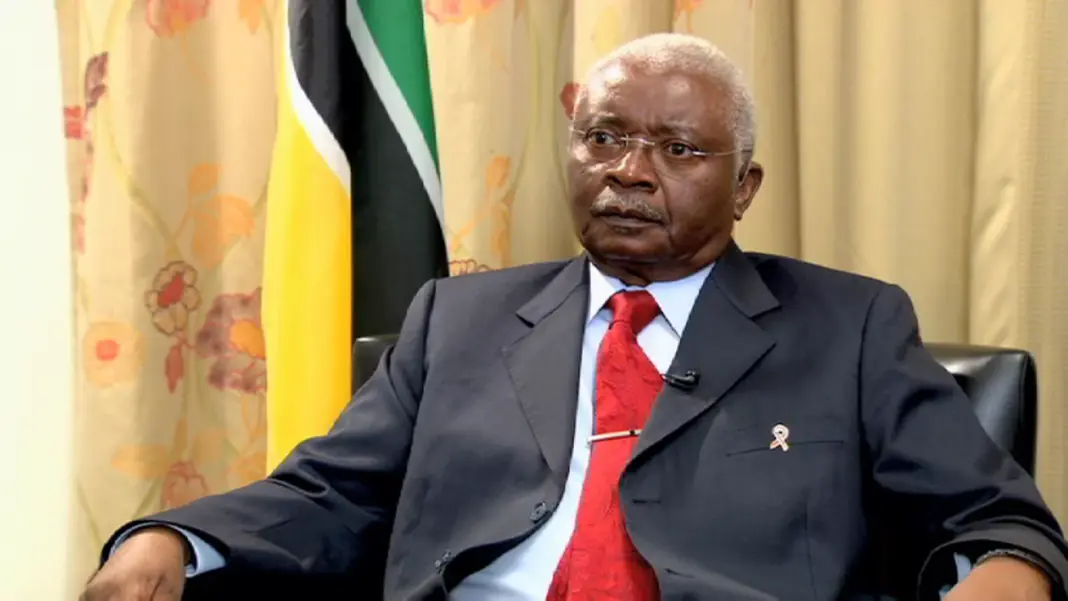
If Chissano was the diplomat, Armando Guebuza was the enforcer. He came from the hardline wing of FRELIMO. Guebuza was actually a member of the party’s inner circle during the liberation struggle and a fierce general during the war. He was known for his discipline and his ruthless efficiency.
When Guebuza took office in 2005, the economy was starting to look up. He shifted the focus from purely political consolidation to economic development. He emphasized infrastructure. He wanted roads, bridges, and ports. He opened up the country to heavy foreign investment, particularly in the coal and natural gas sectors.
A Mixed Legacy of Growth and Greed
Guebuza’s presidency was a story of two very different realities. On one hand, Mozambique’s GDP grew at impressive rates. Foreign investors were lining up to tap into the massive coal reserves in Tete province and the offshore gas fields. On the other hand, inequality skyrocketed. The gap between the rich and the poor became glaringly obvious, especially in the capital, Maputo.
Guebuza’s government became synonymous with corruption. His family was accused of profiting massively from state contracts. Critics say that his Viva Guebuza campaign slogans became a joke among the poor, who saw no benefit from the supposed economic boom.
His second term, which ended in 2015, was tainted by a violent confrontation with a new opposition movement. RENAMO had taken up arms again under the leadership of Afonso Dhlakama, who felt that the peace deal of 1992 was not being honored. The instability was a stark reminder that the ghosts of the civil war were never fully buried. Guebuza left office with his reputation damaged, but he still remains a powerful figure in the FRELIMO party.
Filipe Nyusi: The Current President of Mozambique
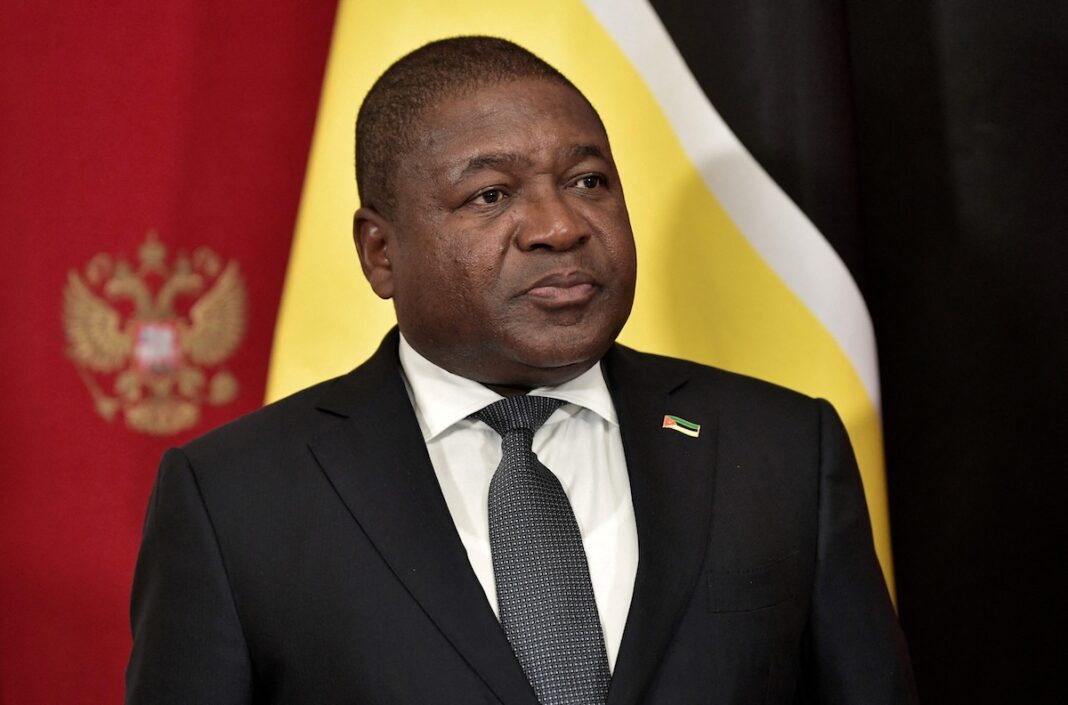
This brings us to the man in charge today. Filipe Jacinto Nyusi was born in 1959 in Namau, a village in the northern province of Cabo Delgado. He is an engineer by profession. He studied mechanical engineering in Tanzania, and later he received military training in the Soviet Union. That technical background is important because it shapes his leadership style. He approaches politics like an engineer, looking for practical solutions to problems.
Nyusi joined the military and quickly rose through the ranks of the defense forces, eventually becoming the Minister of Defense in 2008. His role in managing the military during the Guebuza years helped him build a loyal base.
A Presidency of Dual Crises
Nyusi was elected in 2014 and took office in January 2015. His honeymoon period did not last long. Just a few months into his tenure, the international community was rocked by the revelation of a hidden debt scandal. Government-backed companies had taken on over $2 billion in loans, guaranteed by the state, without public or parliamentary approval. The money was supposed to be used for a tuna fishing fleet and maritime surveillance, but much of it simply vanished.
This scandal caused the IMF and international donors to pull the plug on aid. The economy tanked. Currency plunged. The country defaulted on its debts. Nyusi denies any direct involvement, but the shadow of that financial scandal has haunted his entire presidency.
Then came the biggest crisis of all: the insurgency in Cabo Delgado. Starting in 2017, an armed group (later linked to the Islamic State) began attacking towns in the northern province, the very region where Nyusi was born. The insurgency was brutal, with beheadings, abductions, and mass displacement. Hundreds of thousands of people fled their homes. The conflict also literally halted the lucrative natural gas projects, which were the economic future of the country. For years, Nyusi insisted on handling the security situation with a military approach, which largely failed. It took foreign intervention from Rwanda and the Southern African Development Community (SADC) to push back the militants in 2021.
The Path Ahead
Despite these massive hurdles, Nyusi remains a dominant political figure. He won a second term in 2019, in an election that was marred by reports of fraud and voter intimidation. He has tried to broker peace with the opposition, signing a definitive cessation of hostilities agreement with RENAMO in 2019. And as the insurgency in the north has calmed, the gas projects are slowly beginning to stir back to life.
As he nears the end of his second term, the big question is who will succeed him. FRELIMO’s internal politics are always intense. The succession battle will likely be between Nyusi’s preferred candidate and a more hardline faction. Whoever wins, they will be facing a population that is still deeply impoverished and increasingly disillusioned with the status quo.
The FRELIMO Dynamic
Looking at the list of presidents of Mozambique, the political affiliation is clear: FRELIMO has been the only party to produce a president. This is not particularly unusual in post-liberation African states, but it does raise questions about the health of the democracy.
FRELIMO evolved from a liberation movement to a ruling party. In the early days, it blended the party, the state, and the military into one entity. Today, it controls most of the state machinery, and opposition parties struggle to compete. The loyalty of the army, the police, and the electoral commissions almost always favors the incumbent party. However, the party has also been the glue that has held the country together through its many crises. It is a complex relationship.
What Does the Future Hold?
Mozambique is at a crossroads. It possesses massive reserves of natural gas, which could transform its economy and lift millions out of extreme poverty. But it also faces security threats, endemic corruption, and a youthful population that is demanding jobs and accountability.
The next president will need to be more than just a politician. They will need to be a manager of vast wealth and a healer of deep divisions. The peace that Chissano built is fragile. The economic promises that Guebuza made are unfulfilled. The resilience that Nyusi claims is untested by true prosperity.
The story of the presidents of Mozambique is a reflection of the country’s struggle to find its footing. It is a story of idealists, soldiers, technocrats, and occasionally, opportunists. For anyone looking to understand the future of this fascinating country, you must first understand these four men. Their decisions, their ambitions, and their failures have sculpted the nation you see on the map today. So, the question remains: will the fifth president break the mold, or will they be another chapter in the same cycle of liberation-era leadership? Only time will tell.
As you watch the news and see headlines about Mozambique’s gas boom or its security challenges, remember that the man at the top is just one piece of a very large, very complicated puzzle. The real power lies in the streets of Maputo, the villages of Cabo Delgado, and the resilience of a population that has endured more than most of us could ever imagine.