Do you know who helped Nigeria gain independence? The freedom fighters were the heroes—men and women—who challenged colonial rule, organized communities, negotiated constitutional change, and insisted that Nigerians should govern their own land.
In this guide, you’ll learn about Nigeria’s long road to independence and the wider geography of that struggle: where it began, how it spread across regions, and why different places produced different kinds of resistance. You’ll also meet six key figures whose actions—through politics, journalism, grassroots organizing, and negotiation—helped turn nationalist ideas into a new nation.
A History Of Freedom Fighters In Nigeria
The history of freedom fighters in Nigeria is a story of courage, strategy, and persistence against colonial control and for self-determination. Yet it is also a story written on the landscape. As a geographer, I see independence movements not only as speeches and party meetings, but as spatial processes: they spread along rail lines and coastal ports, through school networks and market routes, and across regions shaped by different economies and cultures.
To understand Nigeria’s freedom struggle properly, we must start with how colonial rule reorganized space and power. By the late 19th century and into the early 20th century, the British Empire expanded control over the territories that would become modern Nigeria. This expansion did not happen in a uniform way. Coastal areas—already connected to Atlantic trade—experienced earlier and deeper administrative penetration, while some interior areas were incorporated later through a mix of military campaigns, treaties, and indirect governance.
Colonial rule disrupted traditional governance systems and reshaped economic life. Local authorities were reorganized to fit colonial administrative needs, and new boundaries—often drawn for convenience rather than cultural logic—grouped communities together or separated long-standing networks. In geography, boundaries matter: they influence resource control, identity politics, taxation, and how people access justice and public services. Many of the grievances that fueled nationalism were tied to these new spatial arrangements.
Economically, the colonial system shifted production toward export commodities and extractive activities that fed British industry. Railways and roads were built primarily to connect resource-producing zones to ports rather than to integrate Nigerian regions for local development. Cocoa production expanded strongly in parts of the West, palm produce became central in many Eastern areas, groundnuts formed a major pillar in the North, and tin mining grew around the Plateau. Each of these economic geographies created distinct social classes—farmers, miners, traders, clerks, teachers—who later became important audiences and actors in nationalist politics.
Urbanization also accelerated under colonial rule. Lagos, as a coastal administrative and commercial hub, became a powerful incubator for political ideas, newspapers, labor activism, and pan-African debate. Other urban centers—Ibadan, Kano, Enugu, Aba, Port Harcourt, Kaduna, Jos, and Calabar—developed their own political cultures shaped by their roles as administrative nodes, industrial locations, or market cities. These towns became meeting points where colonial policy was felt directly: through taxation, wages, housing, sanitation rules, and policing.
Early resistance to colonial rule took many forms. Some communities opposed forced labor, taxes, land encroachment, or new legal systems. Others protested the disruption of local trade and authority. These early struggles may not have been organized under modern political parties, but they were foundational—demonstrating that colonial control was contested and that Nigerians were not passive subjects. Over time, resistance evolved from localized protest into broader political organization, especially as education expanded and a politically conscious elite emerged.
By the early 20th century, educated Nigerians—teachers, lawyers, civil servants, and journalists—began to articulate a more structured critique of colonial governance. They used newspapers, public lectures, petitions, and political associations to demand civil rights, fair representation, and better social services. In geographic terms, the spread of print culture created a new kind of political connectivity: ideas could travel beyond immediate neighborhoods, linking readers across towns and regions through shared arguments about citizenship and justice.
One of the first major reformist and nationalist groupings to gain wide influence was the Nigerian Youth Movement, created in 1934. The movement brought together educated Nigerians, especially in urban areas, and pushed for political rights, improved education, and social justice. It is important to note why education was so central: schools were more than classrooms. They were sites where new political identities formed—identities that looked beyond ethnic kinship alone and toward a broader civic idea of “Nigeria.”
However, nationalism did not grow only through formal education. It also grew through labor and markets. Workers in railways, ports, and public service understood colonialism through wages, working conditions, and unequal treatment. Market women and traders experienced colonialism through pricing controls, licensing, taxes, and restrictions on movement and commerce. These groups formed the social backbone of mass politics, giving nationalist leaders the ability to mobilize beyond elite circles.
By the 1940s, Nigeria saw the rise of more organized political parties, influenced by growing dissatisfaction and by changes in the global order. The Second World War weakened European powers and encouraged anti-colonial movements across Africa and Asia. It also exposed contradictions: Nigerians contributed resources and manpower to imperial goals, yet remained politically subordinate. After the war, demands for self-rule intensified, and nationalist organizations grew more confident and more structured.
The National Council of Nigeria and the Cameroons (NCNC) emerged as a major force in this period, bringing together a coalition of leaders, professionals, and community networks. The party’s activities—public rallies, newspaper campaigns, and constitutional agitation—helped transform political discontent into a coherent program for self-government. From a geographer’s lens, what made the NCNC influential was its ability to operate across multiple locations and to speak to both urban and semi-urban audiences using the language of rights, representation, and national destiny.
At the same time, politics in Nigeria developed along regional lines, shaped by colonial administrative divisions and by differences in population, religion, and economic structure. The Northern People’s Congress (NPC) gained strength in the North, while the Action Group (AG) emerged as a powerful party in the West. These parties were not simply “tribal” expressions, as they are sometimes oversimplified. They were also products of regional political economies and administrative geography: different educational systems, different patterns of urbanization, and different relationships between local authority and colonial rule.
During the 1950s, constitutional changes increased Nigerian participation in government. In particular, reforms expanded elected representation and strengthened regional assemblies. The Macpherson Constitution and later constitutional arrangements opened more space for Nigerians to shape policy and governance through local and regional institutions. This matters geographically because regional governance encouraged competition and innovation in development—especially in education, health, and infrastructure—while also intensifying debates about resource distribution and political power between regions.
In practical terms, the constitutional path to independence required negotiation between Nigerian leaders and colonial authorities. But negotiation did not occur in a vacuum. It was backed by public pressure—rallies, editorials, union actions, and grassroots organizing. If people had not demanded change persistently, the timetable for self-rule would likely have been slower and less responsive. Independence, therefore, should be understood as a combined outcome of elite negotiation and mass mobilization.
By the late 1950s, Nigeria moved steadily toward full sovereignty. Political leaders competed, debated, and sometimes clashed, but they also recognized that independence required compromise. The final transition culminated on October 1, 1960, when Nigeria achieved independence from British rule. That moment was not merely ceremonial. It represented a shift in political geography: authority over territory, resources, laws, and foreign relations moved from colonial administrators to Nigerian institutions.
Still, independence did not erase Nigeria’s internal complexities. The country inherited a federal system and an administrative map shaped by colonial priorities. Regional rivalries, ethnic tensions, and economic inequalities continued to challenge national unity. From a geographic perspective, these tensions were partly about uneven development: differences in education access, job concentration, infrastructure investment, and control over revenue created perceptions of advantage and disadvantage that political actors could amplify.
In the early years after independence, political competition sometimes became a struggle over which groups would control central power and how national resources would be allocated. These pressures contributed to instability, culminating in military coups and long periods of military rule. The most tragic crisis of that era was the Nigerian Civil War (often called the Biafran War), from 1967 to 1970. The war reflected deep political, ethnic, and economic fractures, and it caused immense suffering and displacement.
Even in those difficult years, the spirit of “freedom fighting” did not disappear—it changed form. Some activists focused on protecting communities, advocating for peace, and rebuilding social trust. Others confronted authoritarianism directly, calling for democracy, civil liberties, and human rights. Civil society organizations, labor unions, professional associations, and student movements became central voices, challenging military governments and demanding a return to accountable civilian rule.
The late 20th century witnessed repeated cycles of repression and resistance, but it also showed the endurance of civic courage. Over time, Nigeria’s democracy movement grew stronger, helped by an expanding media space, international pressure, and widespread public desire for stable governance. These struggles contributed to the transition back to civilian rule in 1999. While Nigeria’s democratic journey has remained complex, the broader historical arc demonstrates an important lesson: the pursuit of self-determination is not a single event. It is an ongoing process of building institutions, defending rights, and negotiating diversity within a shared national space.
With that historical background in mind, it becomes easier to appreciate key individuals—freedom fighters—who played standout roles. They did not act alone, and they did not always agree with one another. Yet each contributed meaningfully to Nigeria’s independence journey by organizing people, shaping ideas, or negotiating political change.
Six Key Figures In The Struggle For Independence
Before we discuss the six figures below, it is worth emphasizing that Nigeria’s independence was achieved through collective effort. Thousands of unnamed teachers, unionists, traders, students, traditional leaders, and ordinary citizens made sacrifices that rarely appear in textbooks. The individuals highlighted here are “key figures” because their work left clear footprints on the national movement—through party building, constitutional negotiation, mass mobilization, and the creation of political ideas that could unite diverse peoples.
I have arranged these figures in a historically sensible order, beginning with early nationalist leadership and moving toward the later independence-era negotiators and mobilizers. This arrangement helps you see how Nigerian nationalism matured over time—from early protests and party formation to mass politics and constitutional transition.
Herbert Macaulay
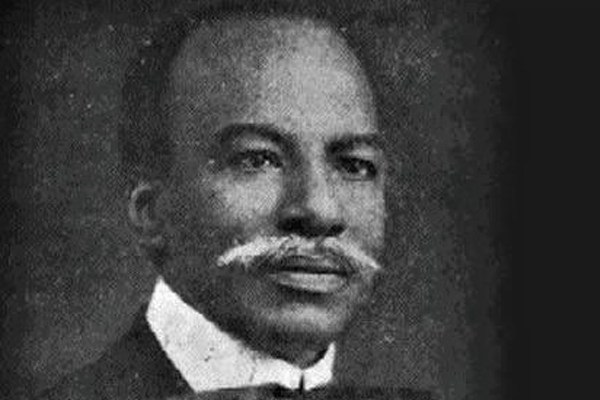
Herbert Macaulay, born on November 14, 1864, is widely regarded as a foundational figure in Nigerian nationalism. Trained as an engineer and active as a politician and public critic, he challenged colonial policies at a time when open opposition carried serious risk. His activism is strongly connected to Lagos—a city whose coastal position and commercial importance made it a political loudspeaker for the wider territory.
In 1923, Macaulay established the Nigerian National Democratic Party (NNDP), often recognized as Nigeria’s first formal political party. While the political space was limited under colonial rule, the NNDP provided an early platform through which Nigerians could contest elections and advocate for greater representation. From a geographic viewpoint, this was significant because it represented an attempt to reshape power within the colonial city and to influence how urban governance affected residents—housing, taxation, sanitation, and public services.
Macaulay was known for confronting colonial injustices with sharp arguments and public campaigns. He helped build the idea that Nigerians could speak for themselves and that public opinion mattered. In societies experiencing colonial rule, “public opinion” is a powerful political resource; it turns isolated complaints into shared demands, and it can pressure authorities to change course. Macaulay’s work helped lay the groundwork for later nationalist parties by proving that organized political action was possible.
Another reason Macaulay’s role matters is that he demonstrated how urban centers can shape national politics. Cities concentrate media, schools, legal institutions, and networks of professionals. When nationalist activity becomes established in a city like Lagos, it often spreads outward along transport lines and social networks. Macaulay’s influence therefore went beyond personal charisma; it was amplified by the geography of colonial administration itself.
Nnamdi Azikiwe
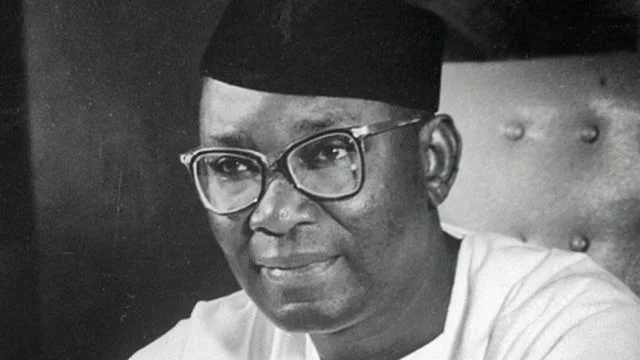
Nnamdi Azikiwe, born on November 16, 1904, in Zungeru, became one of the most influential voices of Nigerian nationalism. Known widely as “Zik of Africa,” he combined journalism, political organization, and mass persuasion in a way that shaped the national imagination. His education in Nigeria and the United States exposed him to broader debates about race, self-determination, and modern governance—ideas that he adapted to Nigeria’s political realities.
Azikiwe’s greatest strength was communication. Through newspapers, speeches, and organizing, he helped convert nationalist ideas into a popular movement. If you look at the geography of political change, media matters because it creates connectivity. A newspaper read in a port city can shape conversation in inland towns; a speech delivered in one region can circulate through reprints and word-of-mouth to other regions. In that sense, Azikiwe helped build a shared political language across diverse groups.
As a leading figure in the National Council of Nigeria and the Cameroons (NCNC), he helped drive the push for self-governance. The NCNC’s strength depended partly on coalition-building—forming alliances across ethnic and regional lines, even when interests differed. This coalition strategy reflects a key geographic reality: Nigeria’s diversity requires political bridges. Independence could not be achieved sustainably without some capacity to negotiate differences and maintain a minimum shared agenda.
Azikiwe was also committed to education and national development, supporting institutions that promoted literacy and civic awareness. Education has long-term geographic effects: it changes migration patterns (as people move for schooling and jobs), strengthens professional classes in cities, and expands political participation. In an independence struggle, education also produces organizers—teachers, writers, clerks—who can keep a movement active across multiple locations.
After Nigeria gained independence on October 1, 1960, Azikiwe became the country’s first Governor-General and later its first President when Nigeria became a republic in 1963. His post-independence roles show how freedom fighters often transition from protest to institution-building—a difficult shift that requires new skills: compromise, administration, and national symbolism.
Obafemi Awolowo
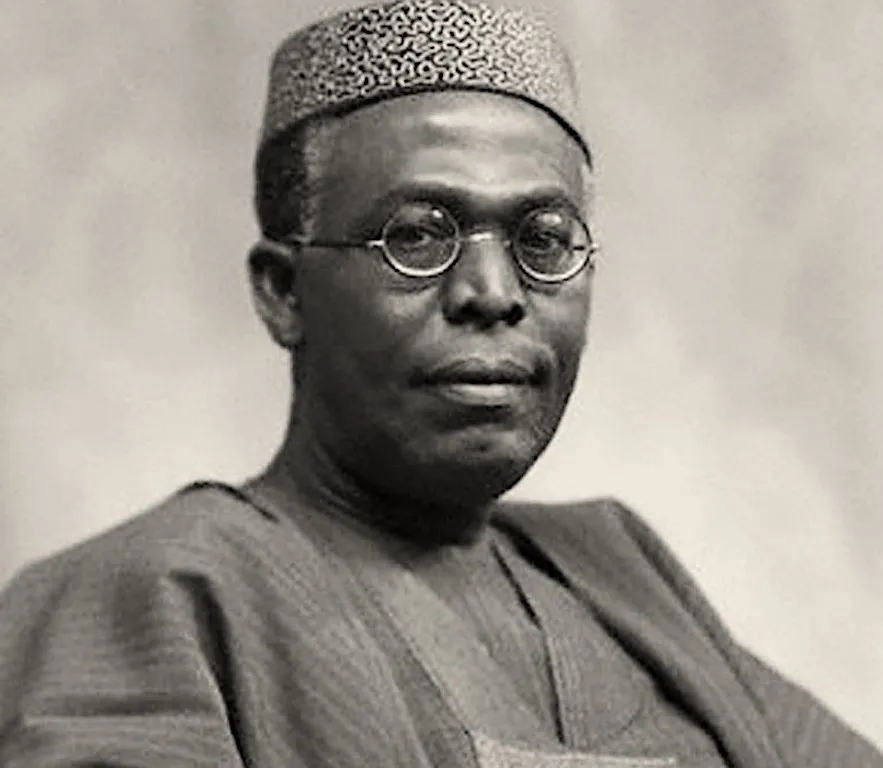
Obafemi Awolowo, born on March 6, 1909, in Ogun State, was one of the most intellectually influential leaders in Nigeria’s push toward self-rule. He became a strong advocate for federalism, social welfare, and planned development—ideas that have clear geographic meaning in a country as diverse as Nigeria.
In the 1940s and early 1950s, Awolowo rose as a leading nationalist and founded the Action Group (AG) in 1951. The AG became a dominant political force in the Western Region, and it championed a development agenda that emphasized education, health, and infrastructure. For geographers, this is significant because it shows how regional governance can serve as a laboratory for policy—testing social programs that later influence national thinking.
Awolowo argued strongly that a federal system would best manage Nigeria’s many ethnic groups and regional differences. Federalism is essentially a geographic solution to political diversity: it allows different regions to exercise some autonomy while remaining part of a single state. In his book Path to Nigerian Freedom (published in 1947), he outlined visions of governance and development that emphasized education and economic progress as the foundation for modern citizenship.
As Premier of the Western Region (1954–1960), Awolowo introduced major social programs, including free primary education and expanded healthcare initiatives. The impacts were not only social but spatial. When literacy rises, people can participate more actively in politics, commerce, and professional life. When healthcare improves, households become more economically stable and communities become more resilient. He also supported infrastructure modernization, including landmark efforts in broadcasting and public services, which strengthened regional identity and administrative capacity.
Awolowo’s legacy remains debated in different quarters, but from a development geography perspective, his most enduring contribution was demonstrating that political autonomy could be used to deliver broad social investment. In colonial and late-colonial societies, that lesson matters: people do not mobilize for independence only because of abstract rights, but because they want a better life—schools, clinics, roads, and fair opportunity.
Abubakar Tafawa Balewa
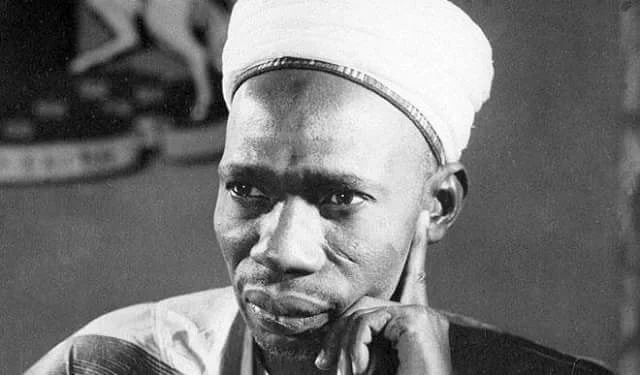
Abubakar Tafawa Balewa, born on December 15, 1912, was a central figure in Nigeria’s transition to independence and became the country’s first Prime Minister after October 1, 1960. His importance lies not only in his office, but in his role as a negotiator operating within a politically complex federation—one marked by regional diversity, unequal access to Western education, and different visions of modern governance.
Balewa’s political career was closely associated with the Northern People’s Congress (NPC), a party that became highly influential in the North during the late colonial period. The North’s political geography differed from that of the coastal and southern regions: the size of territory, patterns of settlement, and earlier administrative structures all shaped how political organization developed. Balewa’s challenge—and achievement—was navigating these differences while participating in national-level negotiations about independence.
He played an important part in constitutional discussions and the negotiation process with colonial authorities. Negotiation was essential because independence required an orderly transfer of power, the establishment of governance rules, and the balancing of regional interests. From a geographer’s viewpoint, this balancing act is about scale: local concerns must connect to regional priorities, and regional priorities must align with national stability.
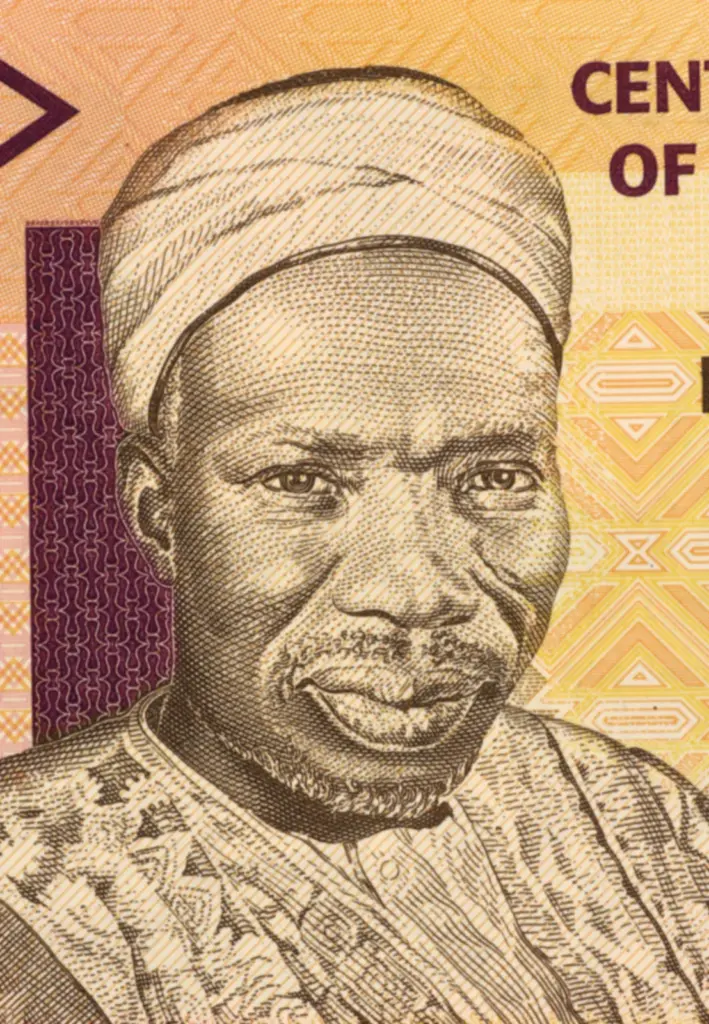
As Prime Minister, Balewa promoted national unity at a time when ethnic tensions and regional competition threatened cohesion. He also supported investments in infrastructure and education, aiming to strengthen the new state. His leadership ended tragically when he was assassinated during the January 1966 military coup—an event that changed Nigeria’s political trajectory and highlighted how fragile new post-colonial states can be when institutional trust is weak.
Balewa’s story is a reminder that independence is not only about ending colonial rule; it is also about building a functioning national framework that can hold multiple regions together without forcing uniformity.
Margaret Ekpo
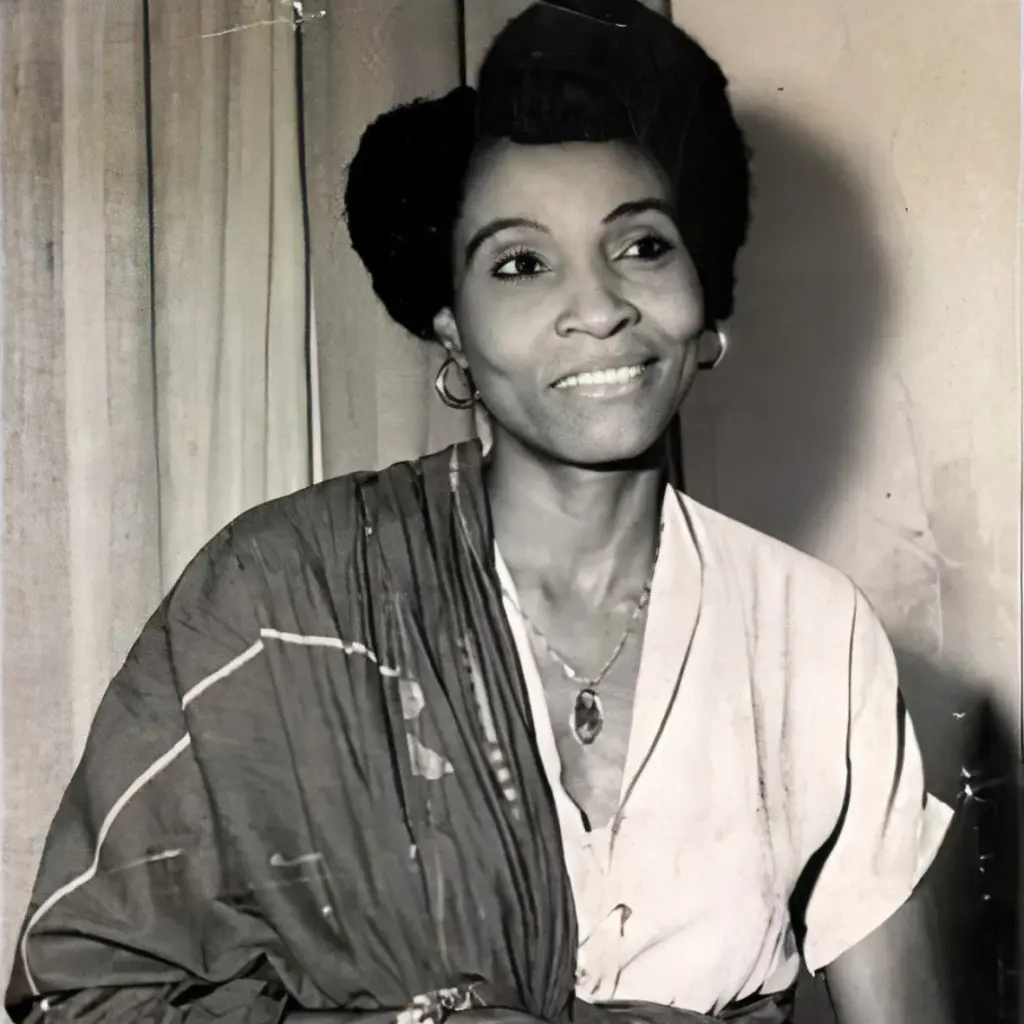
Margaret Ekpo, born on December 27, 1914, was a powerful advocate for women’s rights and community justice within Nigeria’s independence movement. Her contribution is vital because it reveals a truth often missed in simplified histories: nationalist politics did not grow only from elite conference halls. It also grew from markets, town unions, and women-led networks that understood daily hardship as a political issue.
Ekpo became active in the late 1940s, connecting her advocacy to broader nationalist politics and aligning with the NCNC. She rose as a leader who could organize at the grassroots level—especially among market women and community associations. In many Nigerian towns, markets are not just economic sites; they are social institutions that influence local governance, public opinion, and collective action. Mobilizing market networks therefore gave the independence struggle a practical mass base.
She organized women to demand fair treatment, political inclusion, and better community conditions. This activism had a clear geographic dimension: women’s livelihoods are strongly tied to mobility—access to roads, secure trading environments, and the freedom to travel between towns. Colonial policies that restricted trade or imposed unfair burdens on women were experienced directly in these spaces, making political activism feel urgent rather than theoretical.
Ekpo is also remembered for highlighting women’s roles in Nigeria’s public life at a time when political participation was often designed to exclude them. Her work helped expand the definition of “citizen” in the nationalist conversation. In development geography, inclusion matters because excluded groups often live with “invisible barriers”—policies and norms that limit access to education, capital, security, and representation. Ekpo’s activism pushed against those barriers and broadened the social coalition behind independence.
Anthony Enahoro
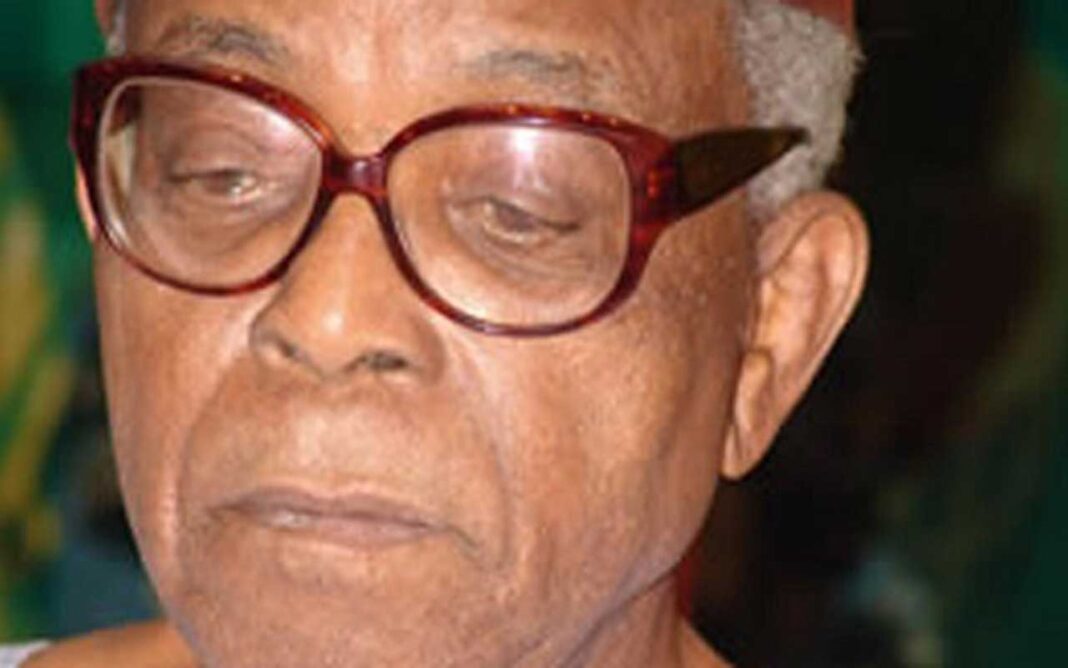
Anthony Enahoro is frequently associated with one of the most symbolically important moments in Nigeria’s march toward independence: the motion for self-government. Born in what is today Edo State, Enahoro represented a generation of nationalist politicians who believed that Nigeria’s destiny should not be postponed indefinitely by colonial caution.
In the early 1950s, the question was not only whether Nigeria should become independent—many Nigerians already believed it should—but when and how that independence would be achieved. Enahoro became a notable voice in pushing the timetable forward. In geographic terms, pushing for a clear timetable matters because uncertainty tends to deepen political mistrust. Different regions may fear being left behind or dominated, and without a timeline, those fears can harden into more dangerous rivalries.
Enahoro’s political work also shows the value of parliamentary tactics in anti-colonial struggles. Not all freedom fighting happens in the streets. Sometimes it happens through motions, votes, constitutional bargaining, and the slow discipline of institution-building. These institutional struggles are less dramatic than protests, but they can be decisive—especially when the colonial administration insists on legal procedures as the route to change.
From a geographer’s perspective, Enahoro’s importance also lies in how his activism helps us see Nigeria as more than three large regional blocs. Nigeria’s national movement included voices from many places—coastal cities and inland towns, major ethnic blocs and smaller communities, emerging professional classes and grassroots organizers. Recognizing figures like Enahoro helps correct the map of memory, reminding us that the struggle for independence was national in scope, not confined to a single corridor of influence.
Together, these six figures represent different dimensions of the independence movement: early nationalist party formation, mass persuasion through media, regional development vision, constitutional negotiation, women-led grassroots mobilization, and parliamentary pressure for self-rule. And behind them stood countless Nigerians whose names may not be widely recorded but whose actions made independence inevitable.
Independence as a Geographic Achievement: Why Place Matters
It is tempting to describe independence as a single event that happened on a single day in 1960. But if you study Nigeria as a living landscape, independence looks more like a long process of spatial reorganization—shifting authority from colonial centers to Nigerian institutions, expanding political participation from a few cities to a broader national arena, and transforming scattered local grievances into a unified demand for self-rule.
The struggle unfolded differently across the country. In coastal and southern urban centers, newspapers, unions, and student groups often drove activism. In other areas, traditional institutions and regional political structures shaped how nationalism was expressed and how negotiations were conducted. These differences were not signs of weakness; they were reflections of Nigeria’s diversity. The real achievement was that, despite different regional experiences, Nigerians developed enough shared political purpose to secure independence and establish a sovereign state.
Understanding this geographic complexity makes the freedom fighters’ work even more impressive. They were not building a movement in a small, uniform territory. They were building it in a country of many languages, ecologies, and political traditions—where the distance between communities is measured not only in kilometers but also in history and identity.
Today, when Nigerians debate governance, development, and national unity, they are still dealing with questions that independence leaders faced in earlier forms: How should power be shared across regions? How can resources be managed fairly? How do we protect rights while respecting diversity? Those questions remain central because Nigeria’s geography—its size, its population distribution, and its regional political economies—continues to shape its politics.
If there is a lasting lesson from Nigeria’s freedom fighters, it is that citizenship must be built deliberately. Independence opened the door, but building a just and stable society requires continuous work—through institutions, civic participation, and leadership that understands the country not only as a political unit but also as a complex human landscape.