Are you interested in learning more about the senators representing Plateau State in Nigeria? In this guide, you’ll find details on each senator, explained in a way that goes beyond names and party labels. As an expert geographer, I also show how Plateau’s landscape—its high relief, urban nodes, rural farming belts, and conflict-prone borderlands—shapes what constituents typically expect from Senate representation.
Plateau State is not just another administrative unit on Nigeria’s map. It is a distinctive physical region—anchored by the Jos Plateau and surrounded by lower plains—where climate, land use, and settlement history have produced a complex human geography. That complexity shows up in politics: development priorities can differ sharply between metropolitan Jos, mining-impacted communities, upland farming areas, and more remote local government areas where roads, health services, and security concerns weigh heavily on daily life.
In practical terms, Senators represent senatorial districts, but those districts function like development zones. Each has a particular mix of population density, economic activity, and environmental risk. So, when a Senator debates the federal budget, pushes for a road project, or raises a motion on security, they are—whether they say it directly or not—responding to place-based realities across Plateau’s terrain.
In this guide, you’ll find details on each senator, including their:
- Name and Constituency
- Party Affiliation
- Brief Background
This information can be helpful for residents of Plateau State who want to stay informed about their representatives in the National Assembly. It can also be useful for anyone interested in Nigerian politics—especially those who want to understand how geography and governance intersect in a state known for its cool climate, rich cultural diversity, and long-running debates around land, identity, and security.
List Of Current Senators Representing Plateau State
Plateau State is represented in Nigeria’s Senate by three Senators—one from each senatorial district: Plateau North, Plateau Central, and Plateau South. These three districts anchor Plateau’s representation at the national level, and together they cover environments ranging from densely populated urban areas to rural landscapes where livelihoods depend on farming, grazing, and inter-community trade.
Before presenting the table, it helps to frame what Senators do in a way that relates to everyday life. In a federal system like Nigeria’s, Senators typically influence development through four broad pathways:
- Legislation: debating and passing laws that affect security, education, agriculture, the economy, and public institutions.
- Budget and appropriation: approving national budgets that determine where federal projects and services may be funded.
- Oversight: scrutinizing federal ministries, departments, and agencies to ensure implementation is credible and equitable.
- Advocacy and representation: raising motions, pressing for interventions, and keeping district priorities visible in national conversation.
Because development in Plateau is place-dependent—driven by terrain, water availability, road networks, and security patterns—these senatorial roles can significantly influence whether communities experience progress or continued vulnerability.
| Name | Constituency | Term | Gender | Party |
|---|---|---|---|---|
| Pam Mwadkon Dachungyang | Plateau North | 2024 – Present | Male | ADP |
| Diket Satso | Plateau Central | 2023 – Present | Male | APC |
| Bali Binkap Napoleon | Plateau South | 2023 – Present | Male | PDP |
A Geographer’s Context: Why Plateau’s Landscape Shapes Politics
To understand representation in Plateau State, you must first understand the state’s environmental setting. Plateau is famously anchored by highland terrain—often referred to as the Jos Plateau—whose elevation creates cooler temperatures than many surrounding regions. That cool climate is not just a tourist talking point; it influences agriculture, settlement patterns, and even health risks. Where nights are cooler and rainfall patterns differ from lowland areas, crop choices and farming calendars shift. Communities develop distinctive livelihood systems that can require specialized policy support.
Plateau’s physical geography also has a strong “edge effect.” The plateau is not uniformly elevated; it transitions into lower plains at the margins. Those transition zones often become areas of intense land-use competition. Farmers cultivate fields, herders move livestock along grazing routes, and towns expand outward—sometimes without sufficient planning. In many parts of Nigeria, conflicts intensify where land is productive, where water points are scarce in the dry season, or where seasonal movement intersects with permanent settlement expansion. Plateau’s topography and land-use diversity therefore play into its security debates and its politics of land.
Another defining feature of Plateau’s geography is mining history. Tin and related mineral extraction left environmental footprints—disturbed land surfaces, pits, tailings, and in some areas altered drainage patterns. Even when mining declines, its legacy persists through land degradation and hazards, especially where abandoned pits collect water and become dangerous to children and livestock. Remediation requires policy attention, funding, and technical planning.
Finally, Plateau is an intersection state—connected to multiple neighboring regions and trade corridors. That connectivity supports commerce and migration, but it also means that economic shocks and security disturbances can spread across boundaries. Senators, who operate at the national level, are often expected to leverage their office to secure attention for such cross-cutting issues: security coordination, ecological protection, infrastructure, and conflict-prevention measures.
With that in mind, let’s look at each of the current Senators and interpret their profiles in a way that is both accessible and grounded in Plateau’s geographic realities.
1. Pam Mwadkon Dachungyang
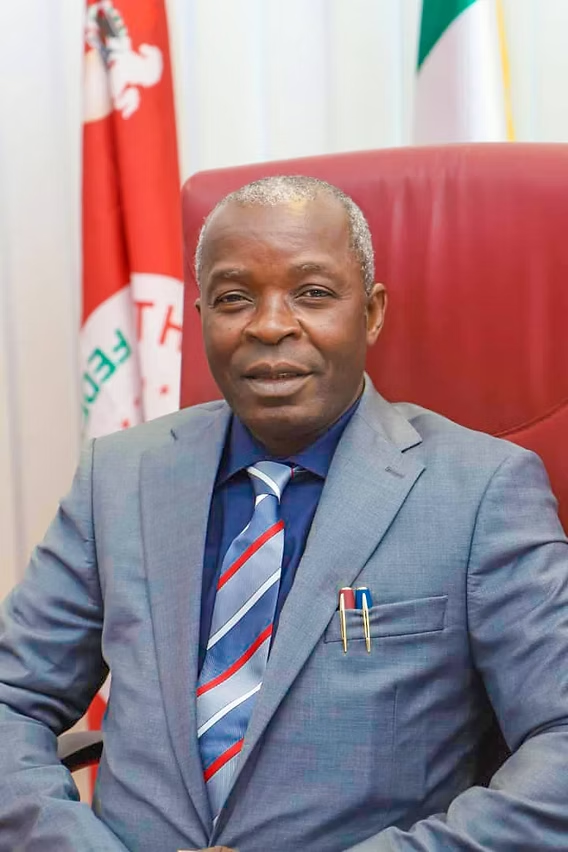
Pam Mwadkon Dachungyang, born on September 14, 1962, is a Nigerian journalist and politician. He currently serves as the Senator representing the Plateau North senatorial district since February 13, 2024. His entry into the Senate through a bye-election is important because it means his mandate began under intensified public attention, with many constituents eager to see how quickly he can translate representation into advocacy and visibility for district priorities.
Dachungyang hails from a royal family in Riyom. While identity and heritage are deeply meaningful to many Plateau communities, what matters in governance terms is how a Senator uses social standing and public credibility to build bridges—especially in a state where communal relations can be tense and where development challenges require cooperation across local boundaries. In geospatial terms, conflict is often concentrated in certain local corridors and border zones; reducing it requires not just security operations, but trust-building and dialogue that can stabilize everyday mobility.
In the 2024 Plateau North senatorial district bye-elections held on February 3, 2024, Dachungyang emerged victorious, receiving 122,442 votes. He was officially declared the winner by the Independent National Electoral Commission’s returning officer, Professor Nestor Chagok. The significance of this result is not merely numerical. Elections reflect the geography of political support: patterns of turnout, party organization, and community trust distributed across towns and wards. A bye-election can also reflect the intensity of local political engagement because it often feels more immediate and locally focused than general elections.
Following his election, Dachungyang was sworn into the Nigerian Senate alongside two other senators by Senate President Godswill Akpabio on February 13, 2024. The timing matters: he enters the Senate midstream, where committees, leadership structures, and legislative priorities are already in motion. New Senators must quickly learn procedure while also making constituency representation visible—through motions, committee participation, and targeted advocacy.
Dachungyang’s political affiliation is with the Action Democratic Party (ADP). In Nigeria’s multi-party environment, smaller parties can face structural challenges, especially in coalition building. However, party size alone does not determine effectiveness. What often matters more is strategic engagement: joining relevant committees, building working relationships across party lines, and using the Senate floor to keep district needs visible. For Plateau North—which includes high-density urban and peri-urban spaces around Jos—issues such as urban infrastructure, drainage and flood management, security, youth employment, and public health infrastructure are often prominent.
A journalist’s background can be particularly valuable in such a role. Journalism develops skills that matter in politics: communicating clearly, framing public issues, building narratives, and questioning institutions. In governance geography, communication is a form of infrastructure: it links citizens to the state. When communication is weak, misinformation spreads, trust erodes, and conflict becomes easier to trigger. A Senator who understands public communication can sometimes play a stabilizing role—especially during security crises when rumor and fear can disrupt daily life and movement.
Notably, Dachungyang was among the dignitaries invited by the Plateau State Government for the inauguration of a twin theater suite at Jos University Teaching Hospital (JUTH) on April 3, 2024. Health infrastructure is a key development indicator, but it is also geographic. The distribution of advanced medical facilities matters because it determines how far people must travel for specialized care. For a state with both urban nodes and remote communities, strengthening medical capacity in central institutions can reduce out-of-state medical travel, while improved referral systems and district-level clinics reduce preventable mortality.
For Plateau North, the development map is often shaped by urbanization. Urban growth creates opportunities—jobs, education, services—but it also intensifies pressure on waste management, housing, road capacity, drainage, and land administration. Therefore, Senators from Plateau North are often expected to pay close attention to federal urban-related policy debates: housing finance, road upgrades, security coordination, and the governance frameworks that influence how cities grow.
As a practical matter, constituents may evaluate Dachungyang’s early Senate impact through visible indicators:
- How quickly he establishes a legislative footprint through motions, bills, and committee engagement.
- How effectively he uses cross-party relationships to advocate for Plateau North projects and interventions.
- Whether he prioritizes urgent urban issues such as drainage, roads, youth employment, and public safety.
In a state where public attention can shift quickly from development to security—depending on events—consistent engagement and clear communication often become as important as policy knowledge.
2. Diket Satso
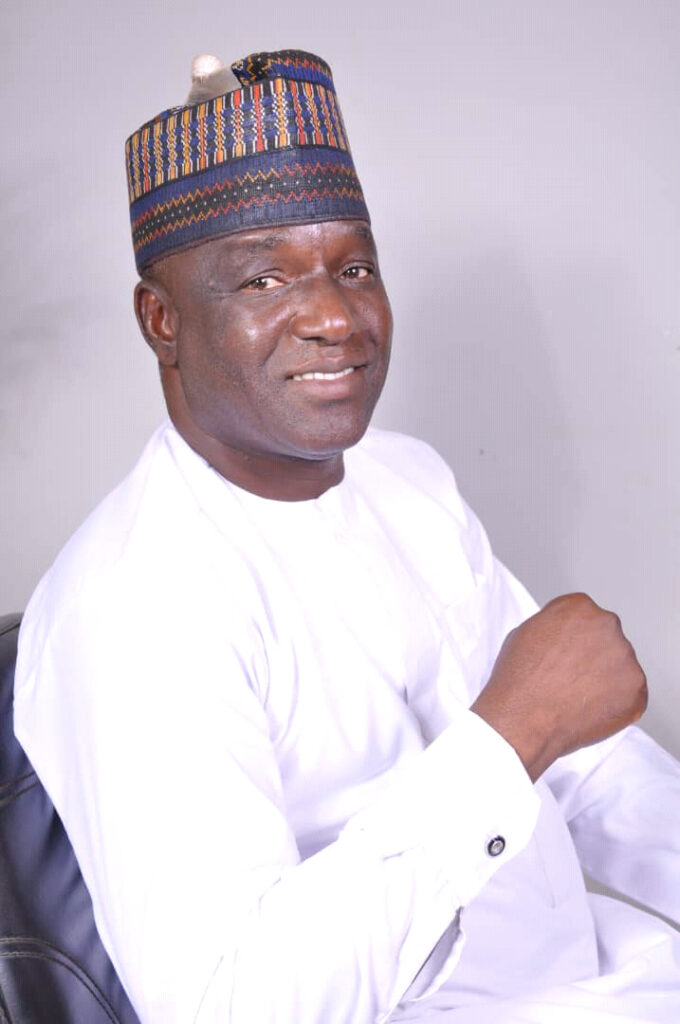
One of the current three senators representing Plateau State in Nigeria is Diket Satso (also referenced in some sources as Diket Plang Satso). He has been serving as the Senator for Plateau Central since June 13, 2023, succeeding Hezekiah Dimka. He was born on December 12, 1972, and is a member of the All Progressive Congress (APC). His tenure as Senator began in 2023, and since then, he has been involved in legislative activities, debates, and Senate discussions.
To appreciate what “Plateau Central” representation can mean, we need to consider the district’s likely development characteristics. In many parts of Plateau Central, communities are situated in landscapes where agriculture is central and where accessibility varies significantly from one locality to another. In geographic terms, the district often includes a mixture of upland farming areas and settlement zones influenced by seasonal rainfall and local road networks. Such areas can experience development as a question of connectivity: the ability to move people, goods, and services efficiently between towns and rural communities.
Plateau Central’s economy often relies on a combination of farming, small-scale trading, and public service. Where rural roads are weak, farmers face higher transport costs and lower profits. This is why representatives from such districts often emphasize road rehabilitation, rural electrification, and agricultural support. But there is a deeper point: agricultural productivity is not only about growing crops; it is also about the systems that surround farming—storage, processing, market access, security, and water management.
Diket Satso’s affiliation with the APC aligns him with the ideologies and goals of the party, which may influence his legislative agenda and priorities. However, district needs often cut across party lines. When communities face insecurity, they do not ask whether security is an APC or PDP issue. When a road collapses or an erosion channel threatens homes, residents want solutions. In a working democracy, political differences exist, but basic development pressures are shared realities.
In Plateau State, one of the most enduring challenges is the link between land use and conflict. Plateau has witnessed episodes of communal tension that often occur along rural-urban margins or in zones where land claims overlap. In such settings, representation is also expected to be conflict-sensitive. Senators may not manage security operations directly, but they can influence national debate on security funding, advocate for conflict-prevention frameworks, support humanitarian responses, and push for stronger policing and justice mechanisms that reduce impunity.
From an expert geographic standpoint, the stability of Plateau Central depends on three place-based factors:
- Land and resource management: clarifying land-use patterns, supporting sustainable farming, and reducing competition around water points and grazing routes.
- Mobility and infrastructure: improving roads, transport safety, and connectivity to markets and services.
- Equitable service distribution: ensuring education, healthcare, and water infrastructure reach beyond the easiest-to-serve towns into smaller communities.
Senators influence these conditions indirectly but meaningfully—through budget advocacy, committee participation, oversight, and their ability to keep district priorities on the national agenda.
Citizens tracking Senator Satso’s performance can pay attention to measurable signals:
- Does he raise motions or sponsor bills addressing security, agriculture, or infrastructure relevant to Plateau Central?
- Does he participate in oversight that improves implementation of federal projects within the district?
- Does he engage local communities consistently, especially in areas that feel geographically peripheral or underserved?
In development terms, the value of representation is most visible when it reduces the “distance burden” in people’s lives—shorter travel times to clinics, smoother market access for farmers, safer roads, and fewer security disruptions that limit movement.
3. Bali Binkap Napoleon
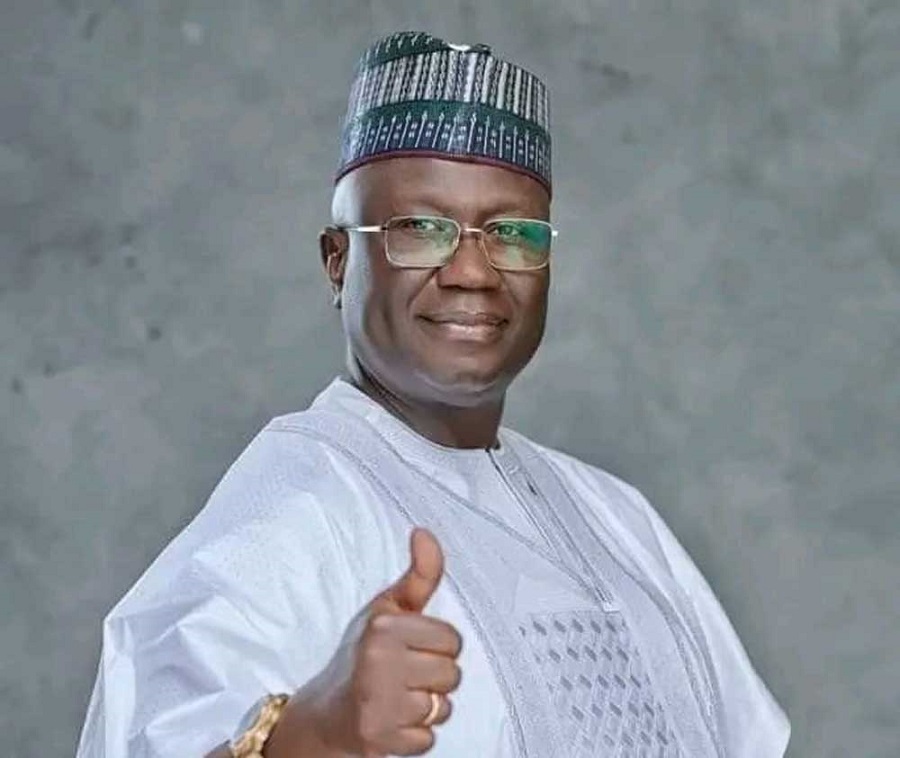
Bali Binkap Napoleon (often written as Napoleon Binkap Bali), born on November 28, 1963, is a retired Air Vice Marshal and Nigerian politician. He currently represents Plateau South Senatorial District as a Senator in the 10th Assembly and is a member of the Peoples Democratic Party (PDP). According to the provided profile, he began his political career in 2020 after retiring from the military in November 2019.
Bali’s military career started after graduating from the Nigerian Defence Academy in 1983. During his 33-year tenure in the Nigerian Air Force, he served as an Instructor Pilot and Chief of Policy and Plans—roles that suggest deep experience in structured systems, strategy, and operational planning. From a governance perspective, such experience can shape how a Senator approaches national security debates, institutional reform, and oversight of defense-related agencies.
His record includes numerous honors and decorations, including FSS, MSS, DSS, PSC (GAFCSC), FDC (NDC), and MONUC (UN). He is proficient in piloting a wide range of aircraft, such as the L39ZA, Bulldog, Alpha Jet, Falcon 900, Gulfstream GV, G550, and Falcon 7X. While aviation proficiency may not appear directly linked to constituency representation, the broader military background can matter in a state where security has been a recurring concern and where rural communities sometimes require rapid response and stronger protective frameworks.
Plateau South has its own distinct development geography. Many communities in the southern part of Plateau are connected through a network of towns and rural hinterlands where farming and local trade remain critical. These areas can also be influenced by boundary dynamics—economic and social interactions with neighboring states. Border dynamics are important because conflict, migration, and trade do not stop at administrative lines. When insecurity rises in one zone, it can displace people into another; when markets thrive in one corridor, they can pull goods and labor across districts.
In geographic terms, representation in Plateau South often involves balancing three overlapping priorities:
- Livelihood protection: ensuring farmers and traders can operate without disruption and can access markets safely.
- Infrastructure and accessibility: improving road quality, bridges, and rural electrification to support economic activity.
- Conflict-sensitive governance: supporting national frameworks that reduce violence, strengthen justice, and provide humanitarian support where needed.
Because security concerns in Plateau can be episodic and localized, Senators from the state are often expected to respond quickly to crises—not only with public statements, but with concrete advocacy: motions that request investigations, calls for security reinforcement, and budget attention to affected communities. When insecurity persists, it produces geographic consequences: farms are abandoned, markets shrink, school attendance declines, and communities experience displacement. These are the kinds of impacts that a development-oriented Senator must keep in view.
Bali’s move from the military into politics can therefore be interpreted as a transition from operational service to policy service. In a functional democracy, this transition is most beneficial when military discipline is combined with civic openness: listening to community concerns, collaborating across party lines on shared development priorities, and supporting long-term solutions rather than only short-term crisis response.
Comparing the Districts: Plateau North, Central, and South as Development Spaces
Although Plateau State has only three senatorial districts, it contains multiple “development geographies.” The three districts are best understood not as equal blocks, but as zones with different settlement densities, economic functions, and environmental pressures. This is why it can be misleading to judge all Senators by the same single-issue metric.
Here is a practical, geography-informed way to compare them:
- Plateau North is often associated with Jos and its metropolitan pressures: urban infrastructure needs, youth employment, public health institutions, drainage and sanitation, and the politics of dense, diverse populations.
- Plateau Central tends to reflect strong rural and semi-urban development questions: road access, farming productivity, market connectivity, and equitable distribution of services across dispersed settlements.
- Plateau South often combines rural livelihood priorities with boundary and mobility dynamics: protecting farming and trade networks, improving transport corridors, and addressing security risks that affect multiple communities and routes.
In reality, all three districts face security concerns, all face infrastructure gaps, and all face youth opportunity challenges. The difference is usually one of emphasis and intensity, shaped by the geography of settlement and the distribution of services.
What Plateau Citizens Often Expect from Senate Representation
Across Plateau State, citizens often expect their Senators to deliver on issues that sit at the intersection of environment, economy, and safety. These expectations are not random; they arise from lived experience. When a road is cut off during the rainy season, it becomes harder to reach hospitals and markets. When insecurity prevents farming, food prices rise and households become vulnerable. When land disputes escalate, communities experience fear and displacement. These are geographic processes, and they require policy attention.
Below are the most common expectations, explained in plain terms:
1) Better roads and safer mobility
Mobility is development. For many Plateau communities—especially those outside major towns—roads determine the difference between opportunity and isolation. A Senator cannot personally build every road, but Senators influence budgets and oversight, and they can push federal agencies to prioritize strategic corridors that connect farming communities to markets and link people to health and education services.
2) Security that protects livelihoods
In Plateau, security discussions often return to livelihoods: whether farmers can cultivate fields, whether herders can move without conflict, and whether markets can operate normally. Senators can advocate for better security coordination, support laws that strengthen justice systems, and promote conflict-prevention measures. Security is not only a police issue; it is a governance issue that includes land management, early warning systems, and community dialogue.
3) Stronger public institutions—health and education
Plateau hosts important institutions like teaching hospitals and educational centers. Strengthening these institutions has a multiplier effect: it improves health outcomes, builds human capital, and creates local employment. The geography matters: when advanced health services exist locally, fewer families have to travel long distances to other states for treatment. When educational institutions are supported, skills and innovation can remain rooted in the state.
4) Environmental management and land restoration
Mining legacies, erosion risks, and drainage challenges are not “background issues.” They shape where people can farm safely, where roads survive rainy seasons, and where communities face hazard exposure. Senators can push for ecological remediation, stronger environmental enforcement, and disaster preparedness funding that is appropriate for Plateau’s terrain.
How to Stay Informed and Engage Your Senators (Practical Steps)
Knowing who your Senators are is the first step. The second step is using that knowledge effectively. Citizen engagement works best when it is specific, evidence-based, and geographically clear. In other words: identify problems by location and describe their impacts.
Here are practical ways to engage:
- Map the issue: identify the exact road segment, flood point, or conflict hotspot and describe it with landmarks.
- Use organized groups: community associations, farmers’ unions, youth groups, and professional bodies often communicate more effectively than individuals acting alone.
- Ask about oversight: not every solution is a “new project.” Sometimes the most important action is ensuring an existing project is completed properly.
- Follow legislative footprints: motions, bills, committee work, and budget interventions are tangible indicators of Senate activity.
When citizens engage in this way, they help convert public complaints into actionable governance information—especially in a state where problems can vary sharply from one locality to another.
Conclusion: Plateau’s Senators and the Geography of Everyday Life
The current Senators representing Plateau State—Pam Mwadkon Dachungyang (Plateau North), Diket Satso (Plateau Central), and Bali Binkap Napoleon (Plateau South)—carry responsibility for representing very different development spaces within one state. Plateau’s highland terrain, urban growth patterns, rural livelihood systems, and recurring security concerns mean that representation is judged by practical outcomes: safer mobility, stronger institutions, protected livelihoods, and more stable communities.
From a geographer’s perspective, the best way to understand and evaluate Senate representation is to watch how national decisions leave local footprints. Do roads become more reliable? Do health facilities improve? Are farming communities safer? Is land and environment managed more sustainably? These are the questions that connect politics to place—and that ultimately determine whether representation feels meaningful to ordinary residents across Plateau’s varied landscapes.