Across Nigeria’s vast and varied landscapes; from the mangrove-fringed Niger Delta to the savanna belts of the Middle Belt and the semi-arid Sahel edge in the far North, public policy is never “just policy.” It shapes how people move, where opportunities concentrate, which communities receive services, and how natural resources are protected or depleted. As a geographer, I read governance as something that leaves a physical footprint: roads and airports reorganize mobility; budgets redistribute development; environmental rules determine which ecosystems survive; social programs influence migration and settlement patterns.
This article presents a carefully arranged list of 15 prominent Nigerian women who have served as federal ministers (including ministers of state in key portfolios). They are included because their work—whether celebrated, debated, or historically significant—has influenced national planning, resource governance, social welfare, diplomacy, and the everyday geography of Nigerian life. Some led during periods of economic expansion; others served when the country faced recession, insecurity, or climate-related stress. In each case, their ministries sat at the intersection of people, place, and power.
To keep the list coherent and easy to follow, I have reorganized it into a consistent “Top 15” structure, ensured the numbering is complete, and aligned the table with the profiles below. The goal is not only to name these women, but to explain—plainly and engagingly—why their roles matter in practical terms for Nigeria’s development geography.
| Name | Position | Years Of Service |
|---|---|---|
| Ngozi Okonjo-Iweala | Minister of Finance | 2003–2006, 2011–2015 |
| Diezani Alison-Madueke | Minister of Petroleum Resources | 2010–2015 |
| Kemi Adeosun | Minister of Finance | 2015–2018 |
| Amina Mohammed | Minister of Environment | 2015–2016 |
| Zainab Ahmed | Minister of Finance, Budget and National Planning | 2019–2023 |
| Stella Oduah | Minister of Aviation | 2011–2014 |
| Hajia Zainab Maina | Minister of Women Affairs | 2011–2015 |
| Dora Akunyili | Minister of Information and Communications | 2008–2010 |
| Adenike Grange | Minister of Health | 2007–2008 |
| Aisha Alhassan | Minister of Women Affairs | 2015–2019 |
| Ramatu Tijjani Aliyu | Minister of State for Federal Capital Territory (FCT) | 2019–2023 |
| Uju Kennedy Ohaneye | Minister of Women Affairs | 2023–present |
| Betta Edu | Minister of Humanitarian Affairs and Poverty Alleviation | 2023–present |
| Imaan Sulaiman-Ibrahim | Minister of State for Police Affairs | 2023–present |
| Joy Ogwu | Foreign Minister of Nigeria | 2006–2008 |
1. Ngozi Okonjo-Iweala
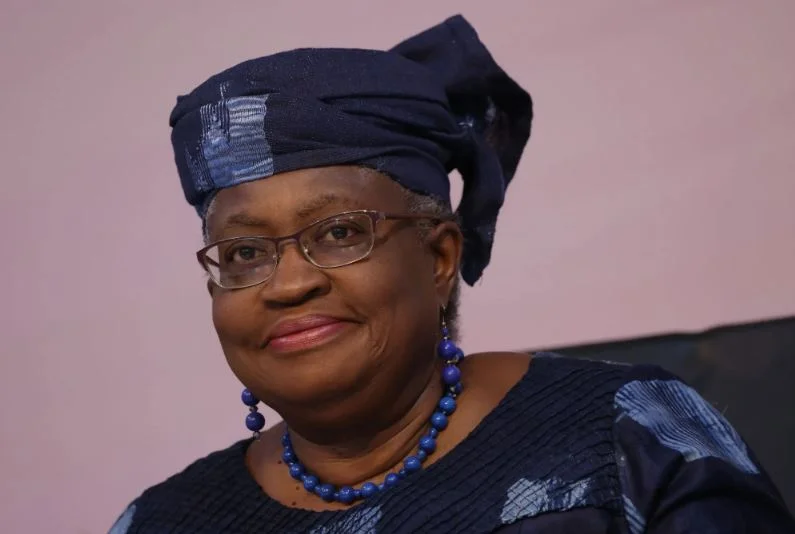
Ngozi Okonjo-Iweala stands out as one of Nigeria’s most internationally recognized economic minds, and she later became the Director-General of the World Trade Organization (WTO). Born on June 13, 1954, in Delta State, she studied at Harvard University and the Massachusetts Institute of Technology (MIT), building the kind of technical foundation that is especially valuable when a country must translate natural-resource wealth into broad-based human development.
She served as Nigeria’s Minister of Finance in two different periods—2003 to 2006, and again from 2011 to 2015. Those years mattered because Nigeria was balancing oil-driven revenue cycles with persistent infrastructure gaps, regional inequality, and rapid population growth. From a geographic perspective, budgetary decisions are never abstract: they determine which corridors get paved, which rural clinics stay open, and whether cities can cope with the pressures of urbanization.
One of her most widely cited achievements was her role in securing major debt relief from the Paris Club, resulting in the cancellation of over $30 billion in debt. For a country like Nigeria—where development needs are spatially uneven—debt relief can widen the fiscal space to invest in education, transport, energy, and health across multiple regions rather than concentrating improvements only in a few politically connected urban centers.
She also played a key role in strengthening institutions such as the Nigerian Sovereign Investment Authority, an initiative aimed at saving and investing strategically for the long term. Geographically, such mechanisms can be understood as tools for smoothing the “boom-and-bust” landscape effects of oil: when crude prices fall, states and communities dependent on oil-derived allocations face sudden contraction. A more stable fiscal framework supports steadier development planning across Nigeria’s states and ecological zones.
Okonjo-Iweala’s earlier career at the World Bank also shaped her approach to reforms. Whether one agrees with every policy choice or not, her tenure illustrates a central truth of development geography: countries often progress when financial governance becomes predictable enough to support investment, planning, and accountability from local governments to federal agencies.
2. Diezani Alison-Madueke
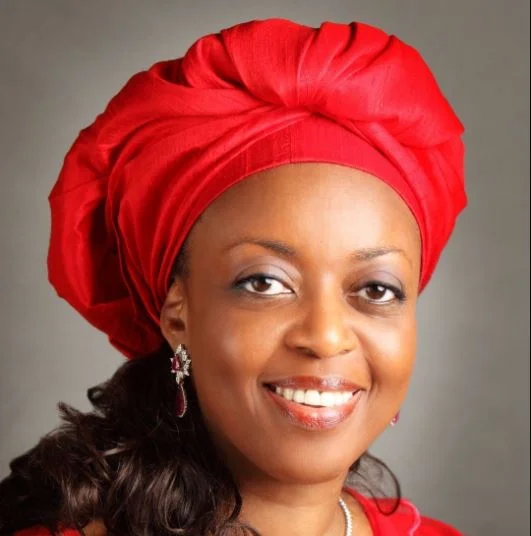
Diezani Alison-Madueke is closely associated with Nigeria’s oil and gas sector, a sector whose geography is as politically charged as it is economically critical. Born on December 6, 1960, she served as Minister of Petroleum Resources from 2010 to 2015. In a country where petroleum revenue influences federal budgeting, state allocations, and the value of the currency, the petroleum ministry is not merely an industry regulator—it is a key node in Nigeria’s national power map.
She also became the first woman to serve as President of the Organization of the Petroleum Exporting Countries (OPEC), a milestone that carried symbolic weight for gender inclusion in an industry often dominated by men. Within Nigeria, her earlier roles included appointments connected to transportation and minerals. Those portfolios matter because they relate to how resource frontiers—whether oil fields, solid minerals, or transport corridors—are integrated into the national economy.
During her tenure, she was linked with efforts aimed at stabilizing fuel supply and encouraging local participation in the oil sector. From a geographic viewpoint, policies that promote local industry can reshape the spatial distribution of jobs: they can increase employment in oil-producing areas, expand service economies in port cities, and influence migration patterns toward industrial nodes.
She was also associated with work connected to petroleum sector reform, including the long and complex journey toward a more transparent regulatory framework. That kind of reform is important because the Niger Delta’s environment and livelihoods have been deeply affected by extraction—through oil spills, land loss, and contested community relations. In an ideal scenario, clearer rules can reduce conflict, improve revenue management, and strengthen environmental oversight.
At the same time, her tenure was surrounded by major controversy, including corruption allegations. As geographers, we recognize that controversies in resource governance are not simply “news events.” They can translate into very real spatial consequences: abandoned infrastructure projects, weakened public trust in institutions, and intensified grievances in communities that feel excluded from the benefits of extraction.
3. Kemi Adeosun

Kemi Adeosun served as Nigeria’s Minister of Finance from 2015 to 2018, a period when the country wrestled with the realities of oil-price volatility and the urgent need to broaden revenue sources. Born on March 9, 1967, in London, she studied Economics at the University of East London. Her professional background included both public and private sector work, and she previously served as Commissioner for Finance in Ogun State—an experience that exposed her to the practical questions of how subnational governments fund roads, schools, and health facilities.
Adeosun’s tenure was marked by efforts to reduce Nigeria’s dependence on oil revenue. From a geographic perspective, overdependence on a single export commodity creates a fragile national landscape: when revenue collapses, the impacts ripple across states, affecting salaries, capital projects, and social services. Diversification—if done successfully—helps spread economic opportunity across regions by supporting agriculture, manufacturing, technology, and services in multiple urban and rural settings.
She was linked to the development and promotion of the Economic Recovery and Growth Plan (ERGP), which aimed to encourage infrastructure investment and economic stabilization. Infrastructure, in particular, is “geography made visible.” When financing supports roads, rail, power, and ports, it reduces distance in practical terms—shortening travel time, lowering transport costs, and connecting producers in rural areas to consumers in cities.
Another major emphasis during her time in office was tax reform and revenue mobilization. While taxation can be politically sensitive, it remains a central tool for building functional states. Stronger revenue can fund education and healthcare in underserved areas, not just in the largest metropolitan regions. In a country with Nigeria’s demographic momentum, the ability to finance services has direct implications for settlement stability and human well-being.
Her term ended amid controversy regarding her National Youth Service Corps (NYSC) certificate. Whatever one’s interpretation of that episode, it highlights an important governance lesson: legitimacy and public trust are resources too. When trust erodes, it becomes harder to implement reforms that require broad compliance—especially reforms that have uneven short-term effects across different social and regional groups.
4. Amina Mohammed
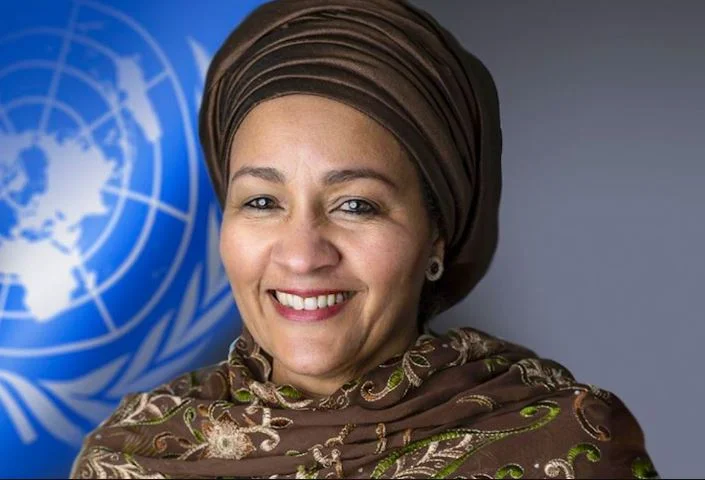
Amina Mohammed is a Nigerian politician and diplomat whose career illustrates the deep links between environmental governance and development planning. Born on June 27, 1961, in Jalingo, Taraba State, she served as Nigeria’s Minister of Environment from 2015 to 2016. For a geographer, environment ministries sit at the frontline of real-world pressures: erosion in the Southeast, flooding in coastal and riverine zones, desertification in the North, and pollution in industrial corridors.
During her tenure, she focused on environmental policy and sustainable development, helping position Nigeria within global climate discussions. Nigeria’s environmental challenges are not uniform; they are patterned by climate zones, land-use systems, and population density. For example, rainfall variability and land degradation shape farmer–herder relations in parts of the Middle Belt, while sea-level rise and subsidence threaten low-lying coastal communities.
Her work also connected Nigeria more strongly to international climate frameworks such as the Paris Agreement. While such agreements can feel distant to ordinary citizens, they matter because they influence funding streams, technical support, and the policy language that guides national adaptation projects—flood defenses, early warning systems, sustainable agriculture, and cleaner energy strategies.
In 2017, she became Deputy Secretary-General of the United Nations. In that role, her influence broadened beyond Nigeria, but it still carries national significance: it enhances Nigeria’s diplomatic visibility and strengthens the country’s voice in conversations about sustainable development, climate action, and gender equality. Viewed geographically, diplomacy can be understood as another form of spatial strategy—building networks, partnerships, and opportunities that can later translate into projects on the ground.
Her trajectory also reinforces a valuable lesson: environmental leadership is not separate from economic planning. In a rapidly urbanizing country, the quality of air, water, land, and public spaces can determine whether cities become engines of productivity or hotspots of vulnerability.
5. Zainab Ahmed
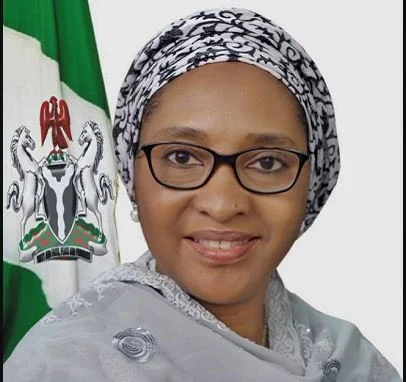
Zainab Ahmed served as Nigeria’s Minister of Finance, Budget and National Planning from 2019 to 2023, an era dominated by economic uncertainty and major shocks. Born on April 16, 1960, she studied Accounting at Ahmadu Bello University, a background well-suited to the technical demands of national budgeting, debt management, and fiscal coordination with other ministries.
From a geographer’s standpoint, the combination of “finance” and “national planning” in one portfolio is especially significant. Planning is the art of deciding where national priorities will land on the map: which regions receive transport investments, which sectors are incentivized, and how the federal government balances the competing needs of Nigeria’s 36 states and the Federal Capital Territory.
Her period in office included the COVID-19 pandemic, a crisis that had clear spatial patterns. Lockdowns disrupted urban informal economies; border closures affected trade corridors; health pressures varied between dense cities and rural communities with fewer facilities. Fiscal decisions made during such a period influence not only macroeconomic indicators, but also everyday livelihoods and the resilience of local economies across Nigeria’s regions.
Her work included efforts aimed at stabilizing the economy during times of lower oil prices, and at improving revenue performance through reforms. In geographic terms, when revenue becomes more predictable, development planning can shift from emergency response to long-term investment—supporting projects that reduce regional inequality and strengthen national cohesion.
Ultimately, Ahmed’s tenure reminds us that budgets are not merely numbers; they are policy maps. Each allocation is a statement about national priorities and an instrument that can either widen or narrow the development gap between places.
6. Stella Oduah
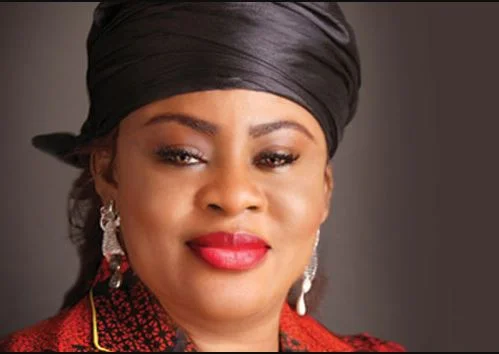
Stella Oduah served as Nigeria’s Minister of Aviation from 2011 to 2014, a role that sits at the heart of national connectivity. Born on January 5, 1962, in Anambra State, she studied Accounting and earned an MBA from the University of the District of Columbia. Before federal office, she worked in the private sector—experience that often influences how leaders approach efficiency, procurement, and service delivery.
Aviation is sometimes discussed as a luxury sector, but in a country as large as Nigeria—where travel between regions can involve long road journeys—air transport performs an important spatial function. It links administrative capitals, commercial centers, and emergency response routes. Strong aviation systems can support tourism, business travel, and time-sensitive cargo, helping cities compete regionally and globally.
During her time in office, she was associated with airport upgrades and safety-oriented reforms. From a geographic perspective, improving airports can shift economic gravity: better terminals and safer operations attract airlines, which then increase passenger flows, which in turn stimulate hospitality and service industries around airport cities.
Her tenure was also marked by controversy, including public debate over procurement decisions such as the purchase of bulletproof vehicles. Controversies like this matter in governance geography because they can affect public confidence, disrupt institutional continuity, and stall long-term infrastructure projects that require consistent leadership and stakeholder trust.
Still, the broader point remains: aviation policy is about accessibility. In Nigeria, accessibility influences whether investment concentrates only in a few megacities or can spread more evenly to secondary cities that need stronger links to national and global markets.
7. Hajia Zainab Maina
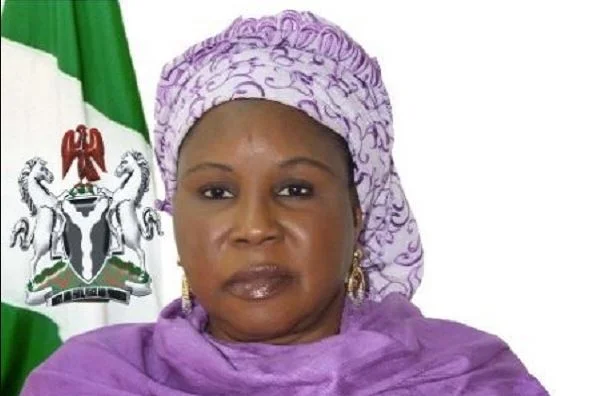
Hajia Zainab Maina served as Minister of Women Affairs from 2011 to 2015. Born on May 1, 1969, she studied Sociology at the University of Maiduguri, a background that aligns with the social realities her ministry must address: gender inequality, family welfare, access to education, and economic inclusion—issues that play out differently across Nigeria’s cultural regions and settlement types.
Women’s affairs ministries are sometimes misunderstood as symbolic offices, but their practical importance is deeply geographic. In many communities, women are central to agriculture, trading networks, household health decisions, and local education outcomes. When women have more economic independence, the benefits appear in measurable spatial outcomes: stronger local markets, improved child nutrition, and higher school participation.
During her tenure, Maina emphasized women’s empowerment and actions against gender-based violence. These priorities matter because violence and exclusion restrict mobility and participation in public life. From a geographer’s lens, restricted mobility shapes economic geography: it limits access to markets, vocational training, and political participation, thereby reinforcing uneven development across regions.
She also engaged with partners to support health and education programs for women. In a diverse country, partnerships can help tailor interventions to local realities—whether the priority is maternal health services in rural zones, literacy programs in underserved communities, or skills development for women in rapidly expanding urban informal settlements.
Maina’s contribution is best understood as part of a larger national effort: improving gender equity is not only a rights issue, it is also a development strategy that strengthens household resilience and supports more balanced regional growth.
8. Dora Akunyili
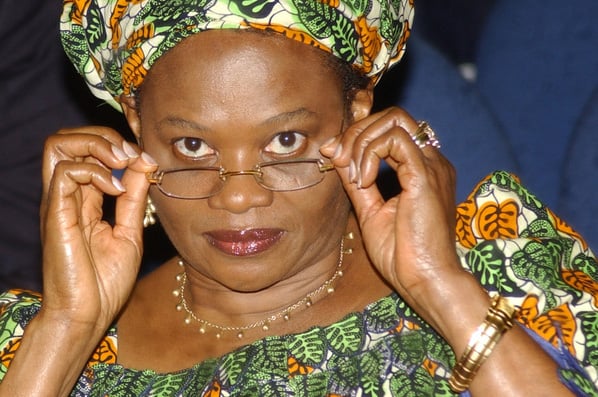
Dora Akunyili served as Minister of Information and Communications from 2008 to 2010. Although she is widely remembered for earlier public service in regulatory leadership, her ministerial role is important for understanding how information flows shape national cohesion. In geographic terms, information is infrastructure: it links citizens to institutions, connects remote areas to national conversations, and can either reduce or intensify social fragmentation.
Communication policy is especially relevant in a country where multiple languages, religious identities, and regional histories coexist. Effective national communication can strengthen shared civic identity, while poor communication can deepen distrust between communities and the state. This matters because trust affects everything from public health compliance to election stability and disaster response.
During her period in the information portfolio, the ministry’s job included managing public messaging, supporting national orientation, and coordinating how government policies were explained to the public. These tasks sound administrative, but they influence how citizens interpret policy changes—fuel pricing, health campaigns, security updates, and economic reforms—especially in communities that already feel marginalized or unheard.
From a human geography perspective, the strength of a national narrative can influence migration and settlement decisions as well. When people feel excluded, they may relocate in search of opportunity or security, adding pressure to already strained cities. When they feel represented, social stability improves and local development becomes easier to sustain.
Akunyili’s legacy in public service underscores a simple point: governance is not only about building roads and writing budgets; it is also about building credibility and communicating clearly across a complex national space.
9. Adenike Grange
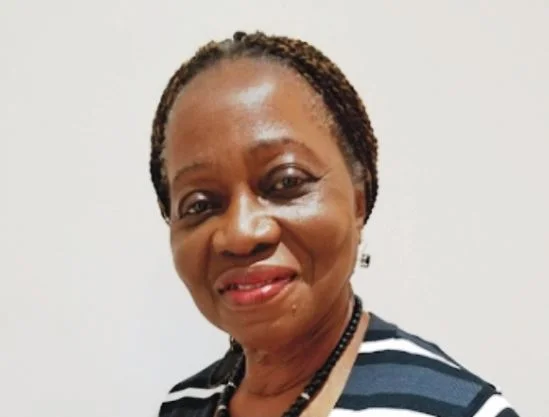
Adenike Grange served as Nigeria’s Minister of Health from 2007 to 2008 under President Umaru Yar’Adua. As a medical doctor and public health professional, her portfolio touched one of the most spatially unequal sectors in Nigeria: access to healthcare. The distribution of hospitals, trained personnel, medicines, and emergency services often mirrors broader patterns of inequality between urban and rural areas and between wealthier and poorer states.
Health geography asks practical questions: How far does a pregnant woman travel to reach a clinic? Which communities are most exposed to malaria risk due to climate and land use? How do water systems and sanitation affect disease patterns? A health minister operates in the middle of these questions, especially in a country where environmental conditions differ sharply from the humid coast to the drier interior.
During her tenure, she emphasized improvements in healthcare delivery and the strengthening of facilities. Better facilities matter not only for treating illness but also for prevention—immunization, maternal health education, early diagnosis, and public health surveillance. Prevention, in particular, is a “quiet” investment that pays off across regions by reducing the social and economic costs of avoidable disease outbreaks.
She also supported frameworks such as the National Health Insurance Scheme and the push for increased health funding. Insurance systems, when properly designed, can reduce the geographic penalty of poverty—meaning that living in a rural area or a less affluent neighborhood does not automatically translate into catastrophic health costs.
Her time in office illustrates that healthcare reform is inseparable from spatial planning. A nation’s health outcomes improve fastest when services are distributed strategically—ensuring that rural communities, peri-urban settlements, and underserved regions are not left behind.
10. Aisha Alhassan
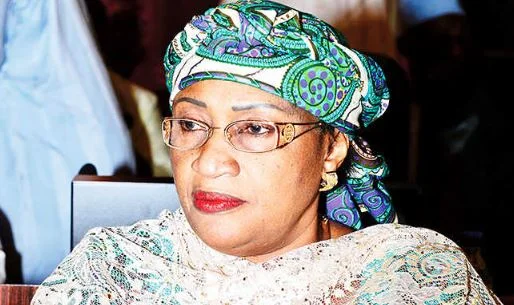
Aisha Alhassan, often called “Mama Taraba,” served as Minister of Women Affairs from 2015 to 2019. Born on July 24, 1960, in Taraba State, she studied Law at the University of Maiduguri and previously served as a senator representing Taraba North. Her path reflects a blend of legislative and executive experience—useful for a ministry that must coordinate policies across agencies and also advocate for legal and cultural shifts.
Her tenure emphasized better access to education and healthcare, priorities that are especially important when viewed through Nigeria’s demographic geography. Nigeria’s population is young and growing rapidly; when girls remain in school longer, communities often experience improved health outcomes, reduced poverty risk, and stronger participation in the formal economy.
Women’s affairs policy has clear spatial implications. In many rural communities, women play a central role in agriculture and small-scale trade; in urban centers, women are major actors in markets and informal enterprises. When policy expands skills training, improves maternal health services, and addresses violence, it strengthens the economic base of households and stabilizes communities—reducing forced migration triggered by poverty or social breakdown.
Her leadership is best understood within the context of regional diversity. What empowerment looks like in a cosmopolitan city may not match what is needed in a remote settlement where infrastructure is weak. Effective ministries must therefore work with local realities: transport constraints, cultural norms, education access, and security conditions.
Alhassan’s ministerial period demonstrates how social policy and national development are intertwined. When women thrive, the benefits appear across Nigeria’s map—through healthier families, stronger local economies, and more resilient communities.
11. Ramatu Tijjani Aliyu
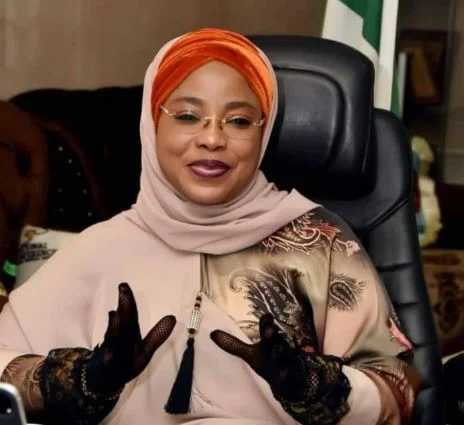
Ramatu Tijjani Aliyu served as Minister of State for the Federal Capital Territory (FCT) from 2019 to 2023. Born on March 15, 1975, in Kogi State, she studied Political Science at the University of Jos. The FCT portfolio is particularly interesting for geographers because Abuja is not merely a city—it is a planned national capital with a unique governance structure and a rapidly expanding metropolitan region.
Abuja’s growth has been dramatic, and with that growth come familiar urban challenges: land administration disputes, housing affordability, infrastructure demand, informal settlements, and transport congestion. The choices made by FCT leadership shape how the city expands—whether it becomes a more inclusive capital with accessible services or an increasingly polarized city where low-income communities are pushed to the margins.
Before her appointment, Aliyu served as the National Women Leader of the All Progressives Congress (APC), a role that gave her experience mobilizing constituencies and advocating for participation. In office, she was associated with efforts aimed at improving services and supporting social inclusion initiatives, including programs that encouraged women’s leadership. Inclusion in a capital city matters because Abuja is a national symbol; policy choices there often influence expectations and practices in other cities.
From an urban geography perspective, development in Abuja also affects surrounding states through commuter flows, property markets, and the relocation of businesses and institutions. The capital’s transport network, land-use decisions, and service distribution create ripple effects across the region.
Aliyu’s tenure highlights a core planning lesson: cities are living systems. Managing them requires balancing growth, equity, environmental sustainability, and the everyday needs of residents across income levels.
12. Uju Kennedy Ohaneye
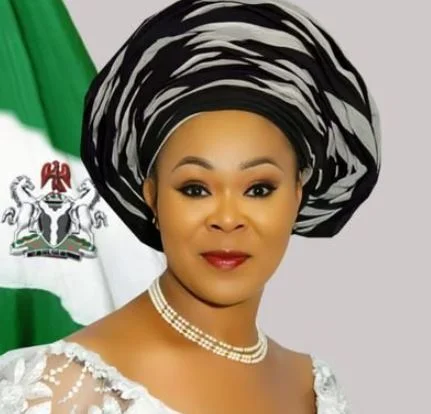
Uju Kennedy Ohaneye was appointed Minister of Women Affairs in 2023. As a lawyer and women’s rights advocate, she entered a ministry where success depends not only on policy documents but also on implementation across diverse cultural and economic settings. Nigeria is not a single social landscape; it is a mosaic of communities with different needs, risks, and opportunities.
Since taking office, she has been associated with programs that support women’s livelihoods, including vocational training and the provision of tools or equipment aimed at helping women build small businesses. For many households, small enterprises are the practical bridge between poverty and stability. Geographically, this matters because local businesses strengthen neighborhood economies and reduce pressure on migration to a few already-congested urban centers.
Ohaneye has also emphasized action against gender-based violence and support for the rights of women and children. Violence, in geographic terms, restricts the use of space: it determines which streets feel safe, which markets are accessible, and whether women can travel freely for education or commerce. A safer social environment expands opportunity by widening the “usable” space in everyday life.
Another area of focus has been reducing stigma against individuals living with HIV. Stigma is not just a social attitude; it has spatial consequences. When stigma is high, people may avoid clinics, delay treatment, or hide illness, affecting public health outcomes across communities. Reducing stigma improves health-seeking behavior and strengthens community resilience.
Her role reflects a broader reality: women’s affairs is development work. It connects to public health, education, labor markets, and community stability—foundations that shape Nigeria’s human geography in the long run.
13. Betta Edu

Betta Edu was appointed Minister of Humanitarian Affairs and Poverty Alleviation in 2023. As a medical doctor with public health experience, she entered a portfolio that sits at the intersection of crisis management and long-term social planning. Humanitarian policy is highly geographic: vulnerability is not evenly distributed, and needs can be concentrated in specific areas due to conflict, flooding, displacement, or economic disruption.
Her ministry’s responsibility includes supporting people affected by poverty and emergencies—those needing food assistance, shelter, healthcare access, and social protection. In Nigeria, humanitarian pressures can emerge from multiple sources: insecurity in some regions, seasonal flooding in river basins, or economic hardship in dense urban neighborhoods where the cost of living rises faster than wages.
From a geographer’s viewpoint, effective humanitarian response requires accurate mapping of needs and strong logistics. It involves identifying where displaced communities are located, ensuring aid can reach them through safe corridors, and coordinating with local actors who understand ground realities. The “where” of humanitarian work is as important as the “what,” because a well-designed program can fail if it cannot move efficiently across space.
Edu has also promoted social inclusion approaches aimed at lifting vulnerable groups. Poverty alleviation becomes more effective when it supports livelihoods and resilience, not only short-term relief. When households gain stability, they can remain rooted in their communities rather than being pushed into distress migration.
Her appointment underscores a key lesson: development is not only about economic growth rates. It is also about reducing vulnerability and ensuring that people in high-risk places—whether flood-prone plains or conflict-affected zones—are not excluded from the national promise.
14. Imaan Sulaiman-Ibrahim
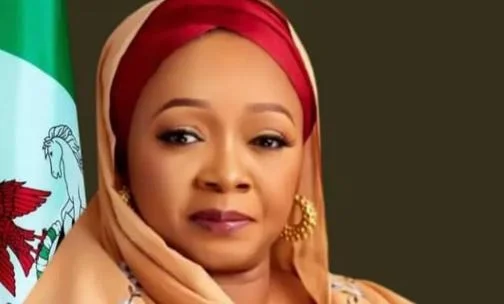
Imaan Sulaiman-Ibrahim was appointed Minister of State for Police Affairs in 2023. She is a lawyer and public servant whose portfolio involves public safety, policing systems, and reforms aimed at improving law enforcement performance. Security is deeply geographic: it affects trade routes, school attendance, investment decisions, farming activity, and the very willingness of people to travel and interact across communities.
Police effectiveness influences how safe people feel in markets, on highways, and in public spaces. It also influences whether businesses expand into new areas or retreat to perceived “safe zones.” When insecurity rises, a familiar spatial pattern emerges: economic activity contracts, transport becomes riskier, and communities may become isolated, intensifying poverty and weakening social cohesion.
Her focus has included improving training, modernizing equipment, and making policing more responsive to public needs. In geographic terms, modernization can support better coverage and quicker response times, especially when combined with data-driven deployment that recognizes where crimes cluster and how urban growth creates new hotspots of vulnerability.
She has also pushed for reforms connected to accountability and human rights concerns, which are essential for public trust. Without trust, communities may avoid cooperation with law enforcement, making it harder to prevent crime or respond effectively when emergencies occur. Trust, in this sense, is a form of social infrastructure that helps a nation function across diverse spaces.
Sulaiman-Ibrahim’s role highlights a fundamental point: development requires security, and security requires legitimacy. When policing improves, the benefits show up not only in statistics but also in the everyday freedom of people to live, trade, farm, and travel.
15. Joy Ogwu
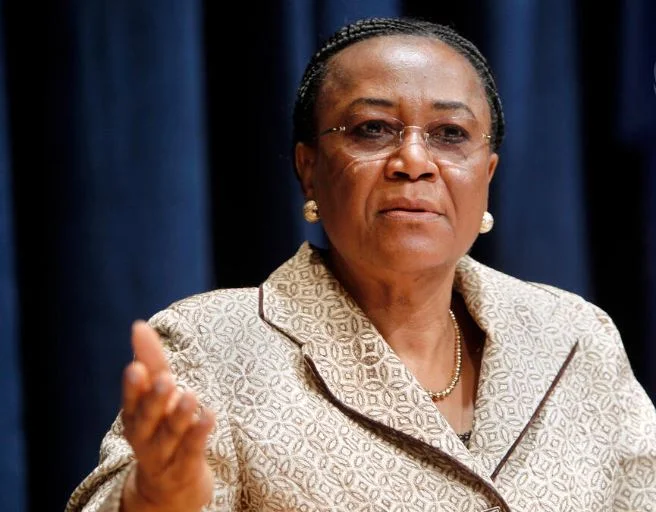
Joy Ogwu is one of Nigeria’s most notable diplomats. Born on August 22, 1946, she served as Nigeria’s Minister of Foreign Affairs from 2006 to 2008 and later became the country’s Permanent Representative to the United Nations from 2008 to 2017. Diplomacy may seem far removed from everyday life, but in geographic terms, foreign policy shapes how a country positions itself within regional and global systems of trade, security cooperation, and development assistance.
Ogwu’s career includes leadership at the Nigerian Institute of International Affairs (NIIA) as Director-General. Her influence can be understood through the lens of “geopolitical geography”: how Nigeria manages alliances, regional responsibilities, and international negotiations that affect everything from peacekeeping to economic partnerships.
She has been associated with work in disarmament and in strengthening ties between Africa and Latin America, highlighting a diplomatic approach that looks beyond the usual corridors of global power. Such relationships can open doors for cooperation in education, technology exchange, trade, and multilateral support—opportunities that can later translate into development initiatives back home.
Academically, she earned BA and MA degrees in political science from Rutgers University and a Ph.D. from the University of Lagos. Her combination of scholarship and diplomacy is important because international negotiations often rely on deep analytical skill: understanding history, interpreting competing interests, and reading the political geography of institutions such as the United Nations.
Ogwu’s legacy shows how representation at the global level can enhance national influence. When Nigeria’s voice is strong internationally, it can shape outcomes that matter domestically—whether through development funding, security coordination, or the global norms that influence governance and human rights.
Why These Women Matter: A Geographer’s Closing Reflection
When you examine Nigeria through an expert geographic lens, you quickly realize that ministerial leadership influences more than “government performance.” It influences the lived environment. Finance ministers determine which regions get major investment and how equitably resources are distributed. Environment ministers influence whether communities can adapt to floods, heat, and land degradation. Aviation and transport leadership affects mobility and the economic integration of distant regions. Women’s affairs ministries influence household welfare, local economies, and social stability. Humanitarian and security portfolios can determine whether communities remain intact or are pushed into displacement.
These 15 women represent different eras, political contexts, and policy priorities. Some are globally celebrated; others are remembered through mixed public debate. Yet each one held a position capable of reshaping Nigeria’s development landscape. Their stories also underline a practical reality: inclusion in leadership is not only about fairness; it is about expanding the pool of experience, ideas, and competence available to solve complex national problems across diverse places.
As Nigeria continues to grow—demographically, economically, and spatially—the demand for effective, accountable, and locally informed governance will only increase. The country’s future will be built not just in speeches, but in budgets, institutions, infrastructure networks, environmental protections, and social programs that touch real communities across the map.