Maintaining a clean environment is essential for public health and well-being. In Nigeria, sanitation is not only a matter of “neat streets”; it is a public-health system, an urban-planning issue, and a geographic challenge shaped by climate, population density, settlement patterns, and the quality of governance. If you’re interested in understanding waste-management challenges in Nigeria—why some places struggle more than others and what those struggles look like on the ground—then this guide is for you.
We’ll look into 11 states that are frequently discussed in public sanitation conversations and highlighted by various clean-up assessments and sanitation scorecards (including widely cited initiatives such as the Clean-Up Nigeria report). Keep in mind that “rankings” can change depending on the year, the indicators used (solid waste, drainage, open defecation, industrial pollution, flooding exposure), and the specific cities or local government areas included in a survey. So, rather than treat this as a permanent label, I’ll explain the underlying sanitation pressures each state faces and why those pressures persist.
As a geographer, I’ll also add a crucial lens: sanitation problems rarely happen “everywhere equally” within a state. They cluster in particular environments—dense informal settlements, market corridors, floodplains, IDP-hosting areas, industrial belts, and low-lying neighborhoods where drainage is weak. Understanding that spatial pattern is the first step toward realistic solutions.
List of The Most Dirtiest State In Nigeria?
Important note on wording: The phrase “dirtiest state” is common in everyday discussion, but it can be misleading. What people usually mean is a state experiencing high sanitation stress—visible waste accumulation, blocked drainage, unsafe disposal practices, limited waste-collection coverage, or water and sanitation services that have not kept up with population growth. With that context, here are 11 states often mentioned when Nigerians discuss sanitation challenges.
- Borno
- Osun
- Kogi
- Benue
- Oyo
- Ekiti
- Lagos
- Abia
- Nasarawa
- Kano
- Ogun
1. Borno State
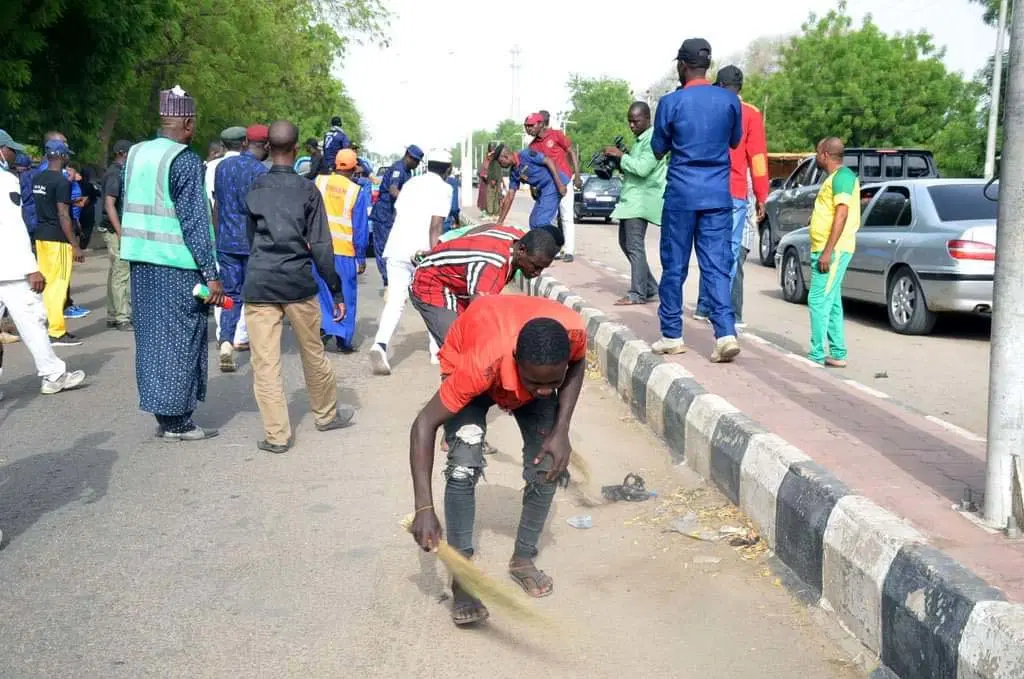
Borno State is frequently described as one of the most sanitation-stressed parts of Nigeria, and the reasons are closely tied to human displacement, insecurity, and disrupted public services. In environmental terms, sanitation systems depend on stability: regular waste collection, functioning drains, predictable funding, and the ability of sanitation workers to operate safely. When insecurity persists, those basic routines break down.
One of the primary drivers of sanitation pressure in Borno is the long-running conflict associated with the Boko Haram insurgency. Conflict has displaced large numbers of people and concentrated them in camps and host communities. From a geographic perspective, displacement reshapes settlement patterns abruptly. When a city like Maiduguri receives a sudden influx of people, the population density rises faster than infrastructure can expand. Waste generation increases, toilets and water points are overstretched, and informal dumping becomes a survival shortcut for households that have limited options.
In and around IDP camps, sanitation challenges often include inadequate toilets, poor solid-waste storage, weak drainage, and limited access to consistent clean water. When rains arrive, standing water forms quickly around crowded settlements, creating ideal conditions for disease transmission. This is why sanitation in displacement settings must be treated as emergency public health, not as ordinary municipal cleanup.
In urban areas—especially Maiduguri—another persistent issue is insufficient garbage-collection coverage. Where bins are scarce and collection is irregular, households resort to dumping in open spaces, along roadsides, or into drains. Over time, drains become informal landfills. Then, during storms, water cannot flow, and localized flooding spreads waste into homes and public spaces.
Public awareness also matters, but it should be understood fairly. In many high-stress environments, “awareness” is not the only barrier—people may know what to do yet lack services that make proper disposal possible. Still, community hygiene education and consistent enforcement (where safe and appropriate) can reduce open dumping and open defecation, especially when paired with accessible facilities.
What tends to help in Borno: sanitation support for IDP-hosting areas, safe access for waste operators, temporary transfer stations, drainage clearance before rainy season, and strong WASH (water, sanitation, and hygiene) programs that integrate health messaging with practical services.
2. Osun State
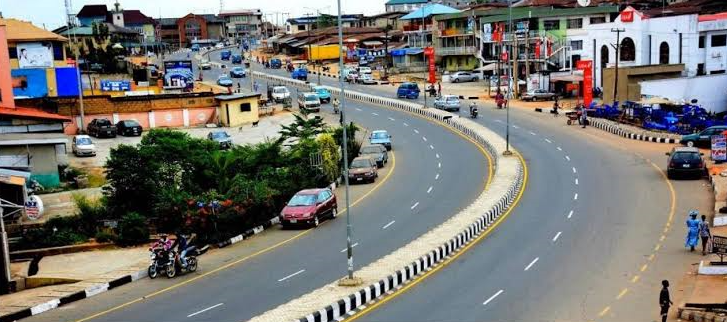
Osun State is often mentioned among states facing sanitation and solid-waste management challenges, particularly in urban and peri-urban areas. The core problem is familiar across many Nigerian states: waste collection does not consistently match waste generation. When municipal systems underperform, residents improvise—usually by dumping refuse in open spaces, by roadsides, or into drainage channels.
In Osogbo and other growing towns, the waste stream is typically a mix of household refuse (food waste, packaging), plastics, and market waste. Market zones are sanitation hotspots because they generate large volumes of organic waste that decomposes quickly in warm weather. Without daily evacuation, the waste attracts flies and rodents, produces foul odors, and increases health risks for traders and nearby residents.
Another issue is enforcement and governance capacity at the local-government level. Environmental sanitation laws may exist, but enforcement can be inconsistent due to limited funding, insufficient personnel, weak monitoring, and political pressures. From a spatial governance standpoint, sanitation succeeds when responsibilities are clear: who collects waste, who pays, where waste goes, and how illegal dumping is penalized. If those links are weak, waste begins to “leak” into public space.
Drainage is a practical indicator of sanitation health. When drains are narrow, poorly designed, or clogged, rainfall becomes a sanitation amplifier—washing waste into streams, spreading contamination, and creating stagnant pools. In a tropical environment with heavy rains, drainage maintenance must be routine, not occasional.
What tends to help in Osun: predictable waste-collection schedules, stronger market sanitation management (including waste sorting points), public bins in high-traffic corridors, and steady local enforcement that is paired with public education so sanitation rules feel achievable rather than punitive.
3. Kogi State
Kogi State’s sanitation challenges are strongly linked to drainage, river systems, and how waste interacts with water. Lokoja, the state capital, sits near a major hydrological convergence zone where rivers and seasonal runoff influence flooding patterns. When drains are blocked by plastics and refuse, heavy rains quickly translate into urban flooding. Floodwater then becomes a transport system for waste—moving it from dumpsites and streets into homes and waterways.
A widely discussed issue in Kogi is poor drainage performance in many neighborhoods. When drains are not routinely cleared, they become long, narrow waste channels. During storms, the state experiences a “double exposure”: flooding damage plus sanitation contamination. This increases the risk of waterborne diseases, especially where residents depend on shallow wells or surface water sources.
Waste from markets and abattoirs is another major concern. Organic waste—rotting food, animal waste, blood, and byproducts—requires special handling. If it is dumped into streams or left in open piles, it contaminates water and attracts pests. In riverine environments, the consequences spread downstream, affecting communities far beyond the immediate dump point.
Rural areas present a different waste geography. Agricultural waste such as pesticide containers, fertilizer sacks, and crop residues can be scattered across farms or dumped in nearby bushes. While some organic residues can be composted, chemical containers require controlled disposal. Without designated collection systems, these materials remain in the landscape, posing risks to children, livestock, and groundwater.
Public toilets are another important factor. Where toilets are inadequate—especially in low-income neighborhoods—open defecation becomes more likely. This is not simply a “behavior” issue; it is a service-access issue. Sanitation habits improve most sustainably when facilities exist, are safe to use, and are maintained.
What tends to help in Kogi: investment in drainage redesign and maintenance, controlled handling of abattoir waste, community-based cleanup of drains before peak rains, and public toilet expansion in high-traffic and low-income areas.
4. Benue State
Benue State faces sanitation pressures that are closely tied to markets, waste disposal sites, and water quality. In many parts of the state, the challenge is not only the volume of waste but also where it ends up. When a city lacks engineered dumpsites and reliable collection, waste is pushed to the urban edge—creating large, uncontrolled heaps that remain exposed to wind, rain, and scavenging animals.
In and around commercial areas—such as major markets in Makurdi—waste can accumulate rapidly. Organic waste decomposes quickly in heat, creating strong odors and attracting mosquitoes, flies, and rodents. These vectors are not minor inconveniences; they are part of the disease ecology of cities. Where waste management is weak, vector populations thrive, and public health risks increase.
Sewage and human waste disposal is another serious concern. Many towns lack fully developed sewage systems and treatment plants. When sewage is discharged untreated into rivers and streams, the effects are immediate and far-reaching. People may use the same water bodies for bathing, washing, or even drinking—especially during dry seasons when water sources shrink. This creates a dangerous pathway for waterborne illnesses.
In rural villages, household burning of waste can become common, particularly where collection services do not exist. Burning plastics, rubber, and chemical materials releases toxic smoke and fine particles that worsen respiratory conditions. From an environmental geography viewpoint, this is a classic example of “risk displacement”: a household avoids a pile of waste by burning it, but the health burden shifts into the air people breathe—especially affecting children and the elderly.
What tends to help in Benue: controlled dumpsites and transfer stations, better market waste evacuation, low-cost composting for organic waste, stronger protection of water sources, and public campaigns that promote safer alternatives to open burning.
5. Oyo State
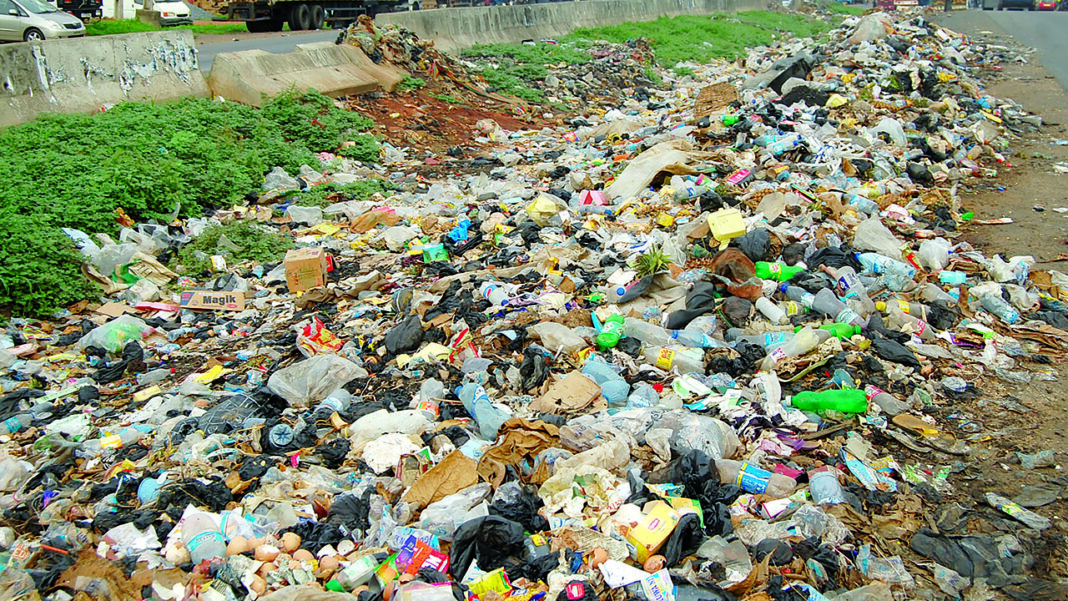
Oyo State is often cited in sanitation discussions partly because of the scale and complexity of its urban systems, especially in Ibadan—one of the largest metropolitan areas in West Africa. Large cities generate large waste streams, and when collection does not keep pace, residents and businesses fall back on informal disposal methods such as open dumping and open burning.
Open burning is a major concern because it turns a solid-waste problem into an air-quality problem. Smoke from burning waste can blanket neighborhoods, aggravating asthma and other respiratory illnesses. In dense urban areas, the health impact can be significant because many people are exposed in a concentrated space.
Oyo also faces challenges related to industrial and workshop waste. In many urban economies, small-scale industries and artisan clusters (dyeing, metalwork, auto repairs, printing, carpentry) form a vital livelihood system. However, if hazardous byproducts—oils, solvents, dyes, chemicals—are dumped into drains and streams, water quality declines. Drains then become both sewage channels and chemical transport lines.
Agricultural waste is another dimension. Oyo has substantial agricultural activity, and the waste stream can include crop residues, packaging, and chemical containers. If agricultural waste clogs drains or is dumped near water channels, it contributes to flooding and contamination. During intense rainfall, blocked drainage leads to destructive flooding incidents that can damage property and spread waste widely.
What tends to help in Oyo: stronger city-scale waste logistics, organized waste pickers and recycling markets, strict control of hazardous waste from workshops, dedicated collection for industrial byproducts, and targeted drainage maintenance in flood-prone neighborhoods.
6. Ekiti State
Ekiti State’s sanitation challenges are often discussed in relation to plastics, e-waste, and household disposal habits in growing towns. In many urban areas—especially Ado-Ekiti—plastic packaging has become a dominant feature of the waste stream. This is not unique to Ekiti, but it becomes particularly visible where waste sorting and recycling systems remain limited.
Plastics are a drainage enemy. Lightweight bags and sachet wrappers travel easily in wind and runoff, entering gutters and blocking culverts. When heavy rains arrive, blocked drainage produces street flooding and stagnant water. Floodwater then distributes waste further, depositing it along roads, in low-lying yards, and near streams.
Another challenge is electronic waste (e-waste) from discarded devices—phones, televisions, computers, batteries, and appliances. Without a dedicated collection and safe processing system, residents may burn components or dump them in open spaces. This releases toxins into the air and can contaminate soil and groundwater over time. E-waste is a slow, often invisible pollution problem—its health impacts may not be immediate, but they can be serious.
In densely populated neighborhoods, used cooking oil disposal also contributes to sanitation stress. When oil is poured into drains, it can coat pipes and trap other waste, worsening blockages and producing strong odors. Over time, oily drains become harder to clean and more likely to overflow during rains.
What tends to help in Ekiti: plastic reduction strategies, neighborhood recycling collection points, safe e-waste drop-off programs, enforcement against dumping in drains, and practical public education focused on “what to do instead” rather than only “what not to do.”
7. Lagos State
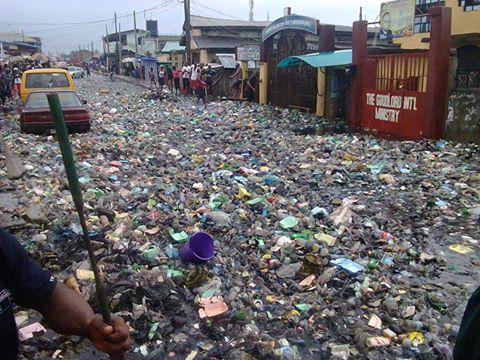
Lagos State is Nigeria’s most urbanized and economically intense state, and its sanitation story is shaped by scale, density, land scarcity, and a coastal environment. When people discuss sanitation in Lagos, they are often describing a mega-city reality: millions of residents generating waste daily, a constant flow of construction activity, and neighborhoods built on low-lying land where drainage is always under pressure.
One significant sanitation challenge in Lagos is construction and demolition waste. With rapid development, building sites generate large volumes of concrete rubble, wood, metal, and packaging. If these materials are dumped on vacant plots or into drainage channels, they block water flow and worsen flooding during heavy rains. Flooding in Lagos is not just about rainfall; it is also about topography, tidal influence, and the capacity of the drainage network.
Medical waste is another high-risk issue. Lagos hosts a dense network of hospitals, clinics, laboratories, and pharmacies. If medical waste—sharps, contaminated materials, expired drugs—is not properly segregated and treated, it can expose waste handlers and the public to serious hazards. This is a sector where regulation and enforcement are essential, because the health risks are immediate.
In low-income and informal-settlement areas, sanitation challenges intensify. Where toilet facilities are limited and waste collection is inconsistent, residents may resort to open dumping or disposal into nearby water bodies. In a coastal city, dumping into canals and lagoons has a wider ecological impact, affecting fisheries, water quality, and the health of waterfront communities.
To be fair, Lagos also contains some of the most advanced waste-management initiatives in Nigeria, but the scale of the city means that progress in one corridor can be overshadowed by breakdown in another. From a geographic planning perspective, Lagos demonstrates the key urban sanitation equation: population density + weak service coverage + flood exposure = persistent waste crises.
What tends to help in Lagos: regulated construction-waste systems, reliable collection in informal settlements, drainage expansion and desilting, strict medical-waste controls, and neighborhood-level waste sorting supported by formal recycling markets.
8. Abia State
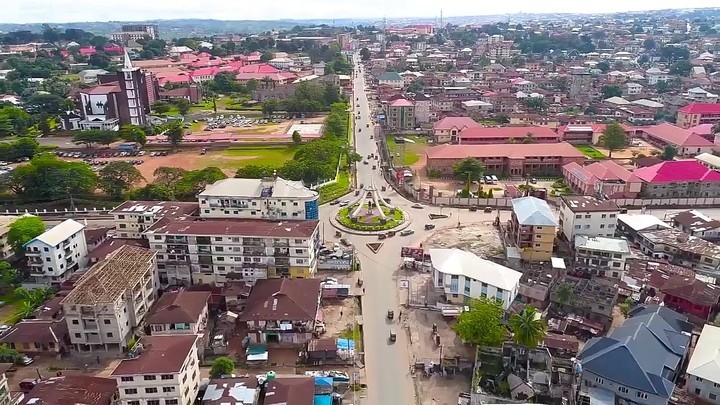
Abia State—especially Aba—is frequently mentioned in discussions about waste management. Aba is a major commercial and manufacturing city, and that economic intensity produces heavy waste loads: packaging, food waste, plastics, textile scraps, leather offcuts, and workshop byproducts. When collection systems are inconsistent, waste piles up quickly in streets and around markets.
A common challenge is irregular household waste collection due to funding and logistics constraints. When waste is not collected promptly, residents and businesses may dump refuse in open spaces or burn it. Burning reduces visible waste but creates harmful air pollution and leaves ash and residues that can wash into drains.
Drainage limitations amplify the problem. If gutters are undersized or blocked, heavy rains trigger flooding. Floodwater can mix with waste and sewage, contaminating homes and water sources and creating breeding conditions for mosquitoes. In such environments, sanitation is inseparable from flood control. You cannot solve one without addressing the other.
Public awareness is important, but awareness must be matched with service availability and enforcement. If residents have no accessible bins, no reliable collection schedule, and no controlled dumpsite, the “correct” choice may not exist in practice. Still, community education can reduce street littering and encourage safer storage of waste until collection arrives.
What tends to help in Abia: strengthened city waste logistics, frequent market waste evacuation, drainage upgrade and clearance, support for recycling chains (especially plastics), and consistent enforcement against dumping in gutters and waterways.
9. Nasarawa State
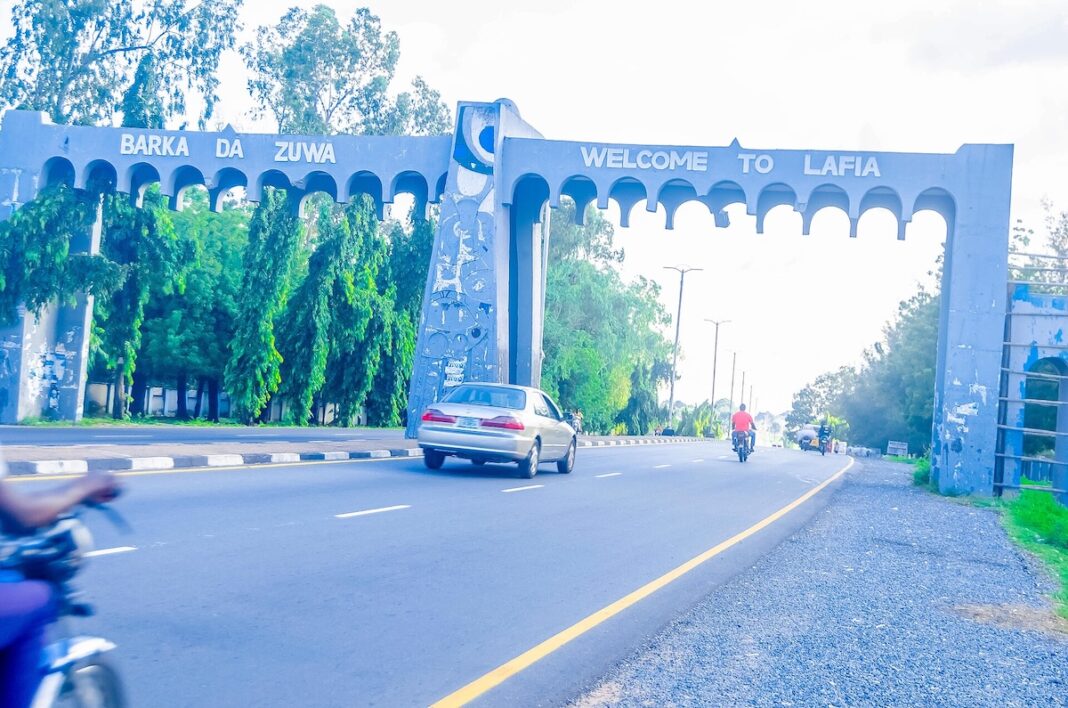
Nasarawa State’s sanitation stress is often shaped by water access, rural settlement patterns, and difficult waste-collection logistics. One major challenge is the scarcity of readily available clean water in some communities. When water is limited, hygiene practices such as handwashing and household cleaning become harder to maintain, increasing the risk of waterborne and hygiene-related diseases.
Waste management infrastructure can also be limited in parts of the state. A shortage of household bins, collection trucks, transfer stations, and engineered landfills makes responsible disposal difficult. When people lack practical options, open dumping becomes common—creating eyesores, attracting pests, and increasing disease risk.
The physical geography of Nasarawa adds complexity. Hilly terrain, dispersed rural settlements, and poor road access in some areas make regular waste collection costly and logistically demanding. From a spatial planning standpoint, this means the state may need decentralized solutions rather than a single centralized “big city” model—community-level collection points, small transfer stations, and locally managed cleanup schedules.
Population distribution also affects enforcement. In dense urban environments, monitoring and enforcement can be concentrated. In dispersed rural areas, enforcement is harder because communities are spread out, and sanitation officers cannot easily cover every settlement. Economic constraints then compound the issue; limited state revenue reduces investment in sanitation infrastructure and public education campaigns.
What tends to help in Nasarawa: improved access to safe water, rural sanitation programs (including toilets and hygiene education), decentralized waste systems suitable for dispersed settlements, and targeted investments in transport access that make collection feasible.
10. Kano State
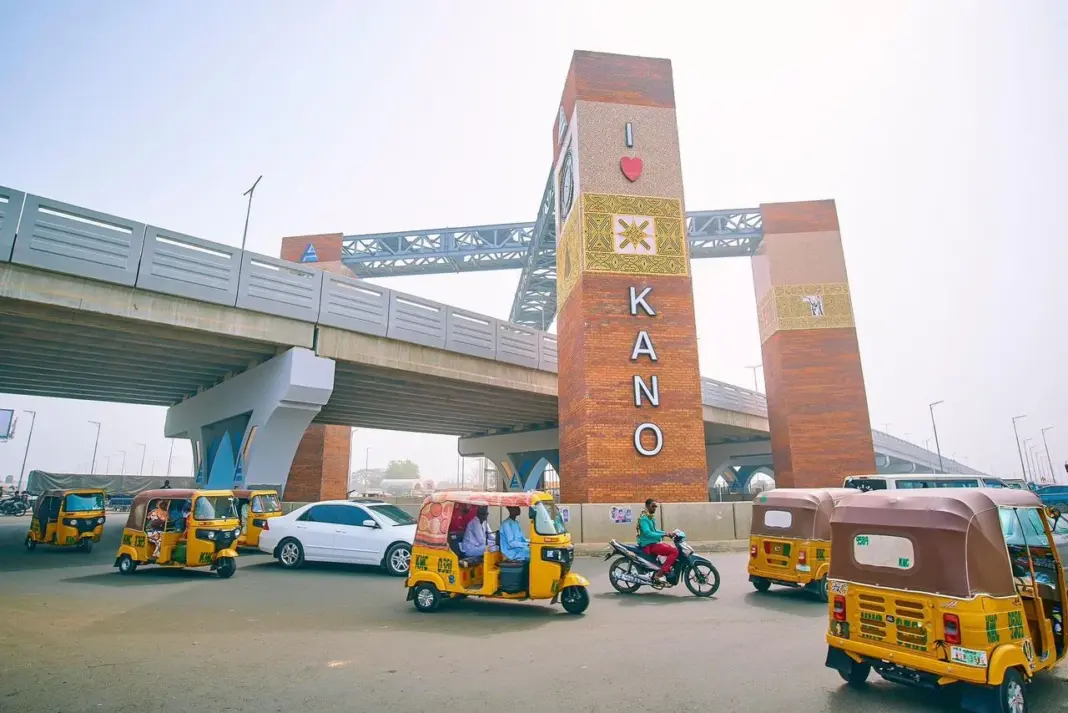
Kano State is often ranked or discussed among the most sanitation-challenged states, largely because of population pressure, industrial activity, and drainage limitations. Kano is one of Nigeria’s most populous and economically active states. High population density generates high waste volumes, and if collection systems do not scale up accordingly, waste accumulates rapidly in public spaces.
Poorly maintained drainage systems can lead to flooding during heavy rains. When floodwater mixes with overflowing waste and sewage, it produces a high-risk sanitation environment—contaminating water sources, spreading waste through neighborhoods, and increasing the burden of disease. This is why drainage maintenance is not cosmetic work; it is part of disease prevention.
Kano’s role as an industrial and commercial hub introduces an additional waste stream: industrial and sometimes hazardous waste. If dangerous materials are improperly disposed of, they can pollute soil and water, creating long-term environmental health hazards. Even non-hazardous industrial waste requires organized infrastructure—designated disposal sites, regulated hauling, and sometimes special treatment or recycling pathways.
Traditional disposal practices also matter. Open burning, for instance, may be used to reduce waste volume but causes air pollution. Sustainable improvement typically requires a combination of infrastructure (bins, trucks, dumpsites, recycling systems) and public education that respects local realities while promoting safer habits. In a large city, behavior change campaigns work best when people can immediately access a better alternative.
What tends to help in Kano: scaled-up waste collection aligned with population density, improved drainage and flood control, stronger industrial waste regulation, and neighborhood-level sanitation programs that combine education with reliable services.
11. Ogun State
Ogun State is one of Nigeria’s major industrial hubs, however, the state faces serious environmental problems, particularly due to pollution from factories.
Many industries in Ogun fail to follow proper waste management practices, which has led to major air and water pollution.
Harmful emissions from these factories have caused health problems, such as respiratory issues, for residents living nearby.
Although the Ogun State Ministry of Environment has set up programs to regulate industrial waste and promote sustainable practices, enforcement is still a challenge.
Factories often neglect environmental laws, and the government struggles with limited resources to enforce regulations.
To solve these problems, Ogun State needs stronger regulatory frameworks, better enforcement, and more collaboration between industries and local communities.
How to Interpret Sanitation “Rankings” in Nigeria
Because sanitation conditions can vary widely within a single state, rankings should be read with care. A state can have a clean central business district and very poor sanitation in peripheral settlements; it can have good waste collection in one city and poor coverage in another. Also, sanitation is multi-dimensional. One survey may focus on street cleanliness; another may measure access to toilets and safe water; another may highlight industrial pollution.
To interpret any list fairly, ask three practical questions:
- What indicators were used? (solid waste, drainage, toilets, water, industrial waste, open defecation)
- Which locations were assessed? (state-wide, selected urban centers, or only specific LGAs)
- What season was it? Rainy-season conditions often look worse because water transports and concentrates waste.
What Actually Makes a Place Look “Dirty”?
In the Nigerian context, a place is typically perceived as “dirty” when several of these conditions occur together:
- Waste collection is irregular, so refuse stays in streets and open spaces.
- Drainage is blocked, leading to stagnant water, flooding, and waste spread.
- Toilet access is limited, increasing open defecation and contamination risk.
- Markets generate heavy waste loads without daily evacuation.
- Industrial and medical waste lacks control, raising the severity of pollution.
- Flood exposure is high, especially in low-lying or coastal areas.
In other words, sanitation is not just about individual behavior; it is a system. When any major link in that system fails—collection, transport, disposal, drainage maintenance, enforcement, or public education—the landscape shows the consequences.
Practical Steps That Improve Sanitation (State and Community Level)
Sanitation improvement is most effective when it matches local geography. A dense mega-city needs different solutions than a dispersed rural state. Still, several strategies consistently work across Nigeria:
- Drainage-first planning: clearing and upgrading drains before the rainy season reduces both flooding and waste spread.
- Market sanitation systems: daily evacuation, designated bins, and supervised waste points reduce the biggest urban waste hotspots.
- Decentralized waste collection: neighborhood collection points and transfer stations help where road access is limited.
- Recycling support: plastics and metals can be diverted from drains if collection and resale networks are supported.
- Public toilets and WASH: safe, maintained toilets reduce open defecation and protect water sources.
- Hazardous waste control: medical and industrial waste require strict segregation, safe storage, and regulated disposal.
Even small gains—consistent bin placement, predictable pickup schedules, and routine drain clearing—can transform neighborhood sanitation quickly. Over time, those operational improvements need to be reinforced by policy, funding, and accountability.
Reference Sources:
Below are examples of institutions and information channels commonly used to understand sanitation, waste, and public health in Nigeria. (Specific state “rankings” may differ by report methodology and year.)
- National Bureau of Statistics (NBS) publications on living standards and environmental indicators
- Federal Ministry of Environment (FMEnv) environmental sanitation and waste-management policy materials
- NESREA (National Environmental Standards and Regulations Enforcement Agency) regulatory guidance and enforcement updates
- UNICEF and WHO materials on WASH (water, sanitation, and hygiene) in Nigeria
- State sanitation agencies and state waste-management authorities (for local operational reports and cleanup campaigns)